Genesis 38
You call me a whore
but what are you?
Why must it be the woman
who takes all the blame?
You can say I seduced you -
who forced you to give in?
Who asked me to bed?
It wasn't me.
You call me a whore
but what are you?
Why does the man
always get away?
You suffer no consequences -
I have to bear them all:
scorn, hatred, death penalty
and the child you gave to me.
You call me a whore
but what are you?
Don't you know it takes two?
It's always all right
for you to do -
have you never thought
what your actions might mean?
You call me a whore.
Think again.
For it was you
who made me one.
It is not I,
it is you who must change.
______________________________________________________________
[25. November 2012]
Tamar was the wife of Judah's son Er. After he died she was given to
his brother Onan, so that he'd provide children for her. If I understood
correctly that was a way to provide security for widows back then.
They'd stay in the family and be cared for. But Onan only wanted to
sleep with her and didn't want her to have children that wouldn't count
as his own. Then Onan died - then Judah freaked out and decided to send
Tamar away instead of give her to his third son. Tamar ended up tricking
Judah by sitting by the roadside like a prostitute (he didn't recognise
her) - ended up pregnant and just when Judah wanted to have her
sentenced to death because of it, she proved to him that he was the one
who had made her pregnant.
It's a complicated story! I think it
shows something about the hypocrisy of men - and how God is on the side
of those who are wronged. Tamar had a very strange way of fighting for
her rights - one I don't think should be copied! But it showed Judah how wrong
his choices were.
Thing is: I heard that today in America, most
men want to marry a virgin. BUT they would also like to sleep around
before getting married. What do you think ends up happening? There won't
be any more virgins to go around at that rate.
Women often get
the blame. It's just so much easier to trace back to a woman that she's
been sleeping around, especially if she gets pregnant. Then it's just
obvious. But the man never gets in trouble.
Don't be a man like Judah. Think about the consequences of your actions.
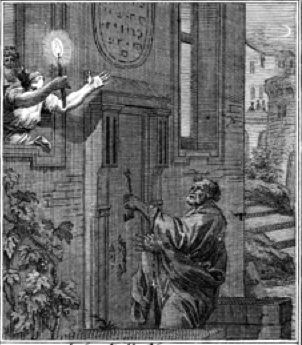
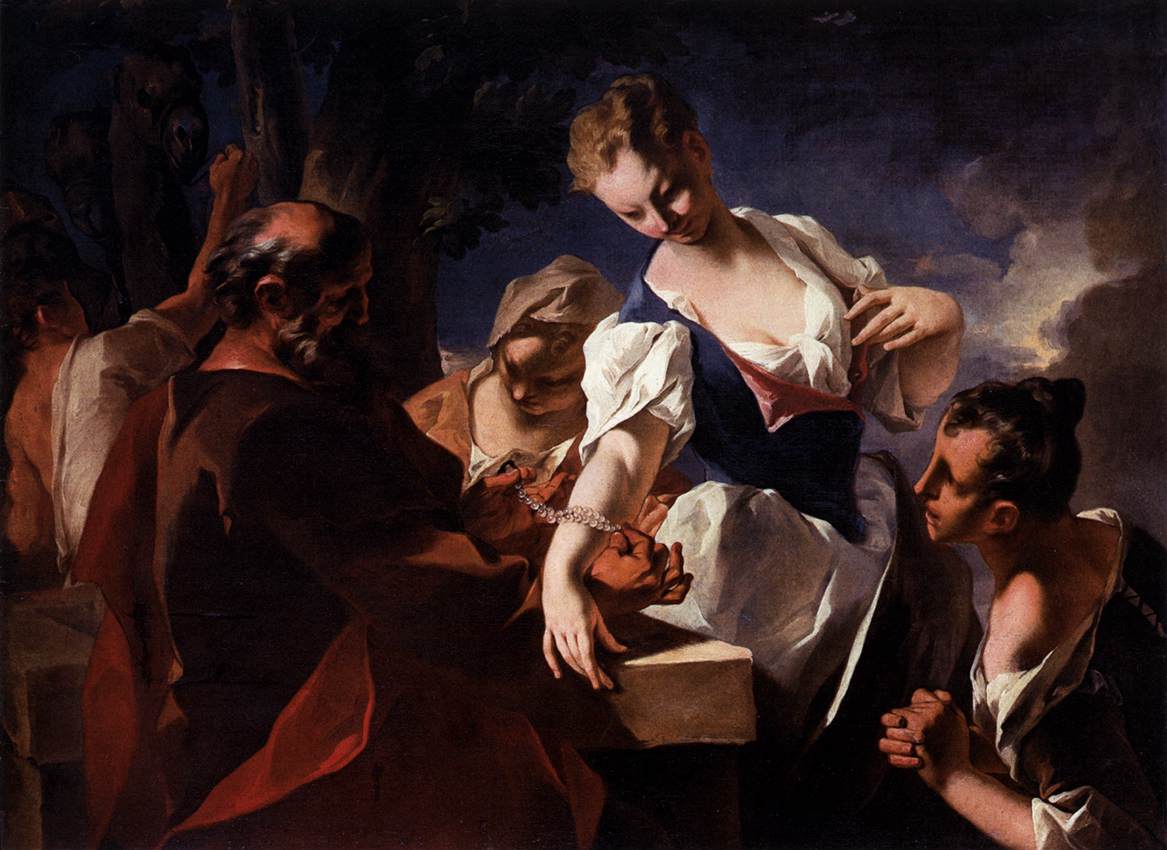
Picture by Horace Vernet.
19 September 2014
16 September 2014
The List

Round about 2010, I had the idea to challenge myself to write a poem for every woman in the Bible.
The list started with 40 ladies I could think of, but it has been growing ever since, because women keep popping out from unexpected corners in the Bible! :-)
This list is still not complete - partly because I have (for now) left out the mothers of kings who are mostly "names without stories" and harder to write about (unless I get ideas!). I'm also sure there are more women hidden somewhere in the Bible (not to mention I hardly know the Apocrypha and have to read through them first to find all the women there!) - so if you know someone I've left out, do tell me! (My mother "updates" me all the time...)
The already-written ones have a link to their poem(s) - some have more than one! :-)
I'll try to keep this list regularly updated...
1. Eve [1 Helper] [2 Naked] [3 The Fall] [4 Bitter Fruit]
2. Cain's wife
3. Naamah (Gen 4:22)
4. Daughters of Men (Gen 6:1-4)
5. Adah, wife of Lamech (Gen 4:19-24)
6. Zillah, wife of Lamech (Gen 4:19-24)
7. Noah's wife
8. Noah's sons' wives
9. Sarai / Sarah [1 Is This Love?] [2 Jealousy] [3 He Who Laughs Last]
10. Hagar
11. Lot's wife
12. Lot's daughters
13. Rebekah
14. Keturah (Abraham's other wife)
15. Rachel [1 Hand-Me-Down] [2 Give me Children or I Die]
16. Leah
17. Bilhah
18. Zilpah
19. Dinah [1 Stop Me] [2 Daisy Petals]
20. Deborah, Rebecca's nurse (Gen 35:8)
21. Oholibamah (wife of Esau, Gen 36)
22. Tamar (Judah's daughter-in-law, Gen 38)
23. Potiphar's wife (Genesis 39)
24. Asenath (Joseph's wife)
25. Midwives Shiphrah and Puah (Ex 1)
26. Jochebed [1 Mother] [2 Weaning]
27. Miriam
28. Pharaoh's daughter
29. Pharaoh's daughter's servants [Deutsch]
30. Zipporah
31. Mothers of slain firstborn (Ex 12)
32. Moses' Cushite wife (Num 12:1-16)
33. Cozbi (Numbers 25) [1 Goddess] [2 Pierced] [2 Durchbohrt]
34. Zelophehad's daughters (Numbers 27)
35. Rahab
36. Achsa (Joshua 15, Judges 1)
37. Deborah
38. Jael (Judges 4)
39. Sisera's mother
40. Abimelech's mother
41. Woman who dropped millstone on Abimelech (Judges 9:50-57)
42. Jephthah's daughter (Judges 11)
43. Samson's mother (Judges 13)
44. Samson's wife (Judges 14-15)
45. Samson's prostitute (Judges 16)
46. Delilah (Judges 16)
47. Micah's mother (Judges 17:1-6)
47. Levite's concubine (Judges 19)
48. 400 virgins (Judges 21)
49. Daughters of Shiloh (Judges 21)
50. Orpah (Ruth 1)
51. Ruth
52. Naomi
53. Hannah
54. Peninnah
55. Eli's daughter-in-law (1 Sam 4:19-22)
56. Ahinoam (wife of Saul)
57. Michal
58. Merab, Michal's sister (1 Sam 18)
59. Women singing about David (1. Sam 18)
60. Zeruiah (mother of Joab)
61. Abigail (1 Sam 25)
62. Sorceress of Endor (1 Sam 28)
63. Ahinoam of Jesreel, mother of Amnon (2 Sam 2)
64. Maacah, mother of Absalom and Tamar (2 Sam 2)
65. Haggith, mother of Adonijah (2 Sam 2)
66. Mephibosheth's Nanny (2 Sam 4)
67. Ishbosheth's porter (2 Sam 4:6 LXX)
68. Bathsheba (2 Sam 11-12)
69. Thamar, daughter of David (2 Sam 13) [1 Dirty Laundry] [2 Shame]
70. Tamar, daughter of Absalom (2 Sam 14:27)
71. Wise woman of Tekoa (2 Sam 14)
72. David's concubines (2 Sam 16:20-22)
73. Woman who hid David's messengers (2 Sam 17)
74. Wise woman of Abel (2 Sam 20:16-22)
75. Rizpa (2 Sam 22)
76. Abishag (1 Kings 1-2)
77. Prostitute mothers who came to Solomon (1 Kings 3:16-28)
78. Queen of Sheba (1 Kings 10)
79. Solomon's wives (1 Kings 11)
80. Solomon's Egyptian wife
80. Jerobeam's wife (1 Kings 14:1-18)
81. Naamah the Ammonite, mother of Rehoboam (1 Kings 14:31)
82. Mahalath, wife of Rehoboam (2 Chronicles 11)
83. Maacah / Micaiah, wives of Rehoboam (2 Chronicles 11 + 13:1-2)
84. Maacah, mother of Asa (2 Chronicles 15:16)
85. Jezebel
86. Widow of Zarephath (1 Kings 17)
87. Widow whose oil Elisha multiplied (2 Kings 4)
88. Shunammite woman (2 Kings 4)
89. Naaman's wife
90. Naaman's slave girl (2 Kings 5)
91. Athaliah (tyrant queen, 2 Kings 11)
92. Jehosheba (saved her nephew, 2 Kings 11)
93. Huldah (2 Kings 22:14-20)
94. Nehushta, mother of Jehoiachin (2 Kings 24:8-17)
95. Foreign wives (Ezra 9-10)
96. Shallum's daughters (Neh 3:12)
97. Noadiah (Nehemiah 6:14)
98. Vashti
99. Esther
100. Zeresh (Haman's wife, Esther 5-6)
101. Job's wife
102. Job's sisters (Job 42:11)
103. Job's daughters (Job 42:14-15)
104. Bride of the King (Ps 45)
105. Lady Wisdom (Proverbs)
106. Lemuel's mother (Prov 31)
107. Proverbs 31 woman
108. Sulamith (Song of Songs)
109. Isaiah's wife (Is 7:3)
110. Cannibal mothers (Lamentations)
111. Unfaithful Jerusalem (Ez 16)
112. Oholah and Oholibah (Ez 23)
113. Ezekiel's wife (Ez 24:16-27)
114. Lo-Ruhamah (Hosea 1-2)
115. Gomer, Hosea's wife
New Testament
20. Woman who blessed Mary (Lk 11)
21. Syrophoenician / Canaanite woman (Mt 15)
22. Syrophoenician woman's daughter
23. Crippled woman (Lk 13:10-16)
24. Baking woman / parable of the yeast (Lk 13:20-21)
25. The woman who lost a coin (Lk 15)
26. The wise and foolish virgins (Mt 25:1-13)
27. Woman who annointed Jesus
28. Servants who recognised Peter (when he denied Jesus)
29. Pilate's wife
30. Daughters of Jerusalem (Lk 23:27-28)
31. Mary mother of James and Joses (Mt 27:55-56)
32. Joanna wife of Chusa, follower of Jesus
33. Mary Magdalene
34. Sapphira (Acts 5)
35. Dorcas (Acts 9)
36. Mary, mother of John Mark (Acts 12)
37. Rhoda (Acts 12)
38. Lydia (Acts 16)
39. Possessed girl (Acts 16:16-22)
40. Damaris (Acts 17)
111. Unfaithful Jerusalem (Ez 16)
112. Oholah and Oholibah (Ez 23)
113. Ezekiel's wife (Ez 24:16-27)
114. Lo-Ruhamah (Hosea 1-2)
115. Gomer, Hosea's wife
2. Elisabeth
4. Anna
7. Jairus' wife
21. Syrophoenician / Canaanite woman (Mt 15)
22. Syrophoenician woman's daughter
23. Crippled woman (Lk 13:10-16)
24. Baking woman / parable of the yeast (Lk 13:20-21)
25. The woman who lost a coin (Lk 15)
26. The wise and foolish virgins (Mt 25:1-13)
27. Woman who annointed Jesus
28. Servants who recognised Peter (when he denied Jesus)
29. Pilate's wife
30. Daughters of Jerusalem (Lk 23:27-28)
31. Mary mother of James and Joses (Mt 27:55-56)
32. Joanna wife of Chusa, follower of Jesus
33. Mary Magdalene
34. Sapphira (Acts 5)
35. Dorcas (Acts 9)
36. Mary, mother of John Mark (Acts 12)
37. Rhoda (Acts 12)
38. Lydia (Acts 16)
39. Possessed girl (Acts 16:16-22)
40. Damaris (Acts 17)
42. Drusilla
(Felix' Jewish wife, Acts 24)
43. Bernice (wife
of King Agrippa, Acts 25)
45. Junia (Rom 16)
46. Phoebe (Rom 16)
47. Peter's wife
50. Lois
51. Eunice
51. Eunice
52. Recipient of 2.
John
54. Bride of Christ (Rev)
55. The "whore Babylon" (Rev)
Apocrypha
1. Judith
2. Judith's
maid
3. Deborah
(raised Tobit)
4. Hannah
(Tobit's wife)
5. Sarah
(Tobit)
6. Edna,
Raguel's wife (Tobit)
7. Praying
women (2 Macc 3)
8. Women
who had circumcised their children (2 Macc 6)
9. Woman
with 7 sons (2 Macc 7)
10. Susanna (Dan 13 / additions to Daniel)
11. Widow Jerusalem (Baruch 4)
Other Biblical poetry
Out in the Desert
11. Widow Jerusalem (Baruch 4)
Other Biblical poetry
Out in the Desert
Peter: In the Courtyard
Women in Literature
This is a new category, not really part of any challenge - so I'm only listing those I've already written about or am seriously planning to write about.
1. Elinor (from Sense and Sensibility)
2. Arwen (from The Lord of the Rings)
3. Éowyn (from The Lord of the Rings)
4. Christine Daaé (from The Phantom of the Opera)
5. Tess of the d'Urbervilles (from Tess of the d'Urbervilles)
Picture is by Gustav Klimt, Die Drei Lebensalter der Frau
15 September 2014
Sarai: Jealousy
Genesis 16:1-6
By now
she will be in his arms.
I dare not think it,
but I do.
I wonder,
will she be as scared
as I was the first time?
I wonder,
will he whisper
the same sweet words into her ear,
that he likes to say to me?
I dare not think it,
but I do.
Tempted, so tempted,
to sit outside his tent
and listen
to every rustle of the sheets,
to every moan from her lips -
I dare not think it,
but I do.
No, no, no.
It should be me,
and me alone.
What if he falls
for this younger girl,
for her beauty,
for the energy
I no longer have?
I dare not think it,
but I do.
This was my choice,
done for his sake,
done out of love,
the last desperate measure
to grasp at a promise
far out of reach.
This was my choice,
but was it right?
I dare not think it,
but I do.
Tempted, so tempted,
to storm right in
and drag her off his body,
far away from him.
But if this is
the only way
to make him happy -
so be it.
_____________________________________________________________________
[10. October 2013]
While reading through Sarah's story again, and trying to imagine things through her eyes, I felt like writing this: her thoughts about giving Hagar to Abraham, so Hagar could have the son promised him by God.
Why did Sarai do this? Did she lack trust in God? Was she trying to "help things along" a bit? Maybe she felt she was getting in the way of God's promise and Abraham's happiness because she was unable to have children. So she decided to let Abraham sleep with her slave and have a child with her - a decision which probably wasn't so easy, and one which led to all sorts of conflict in the family, Hagar being banished twice because of Sarai's jealousy. If Sarai had trusted and waited, maybe things would have been different. Still, God remains faithful, and He did let Sarai have a son in the end. Our mistakes have consequences, like Sarah's did... but still they don't get in the way of God.
(Next challenge: write the same thing from Hagar's perspective... I don't suppose she was too keen to be given away like that to an old man)
Picture by Matthias Stom.
I find interesting how Sarai has an almost empty look in this picture, like she's trying not to think too much about what it is she's doing.
04 September 2014
Damaris: Foreign God
Acts 17:16-24
What is this message that you bring,
what is this "good news" that you preach?
Who is this strange God from afar -
and what should it matter to me?
We are Greeks - we have our gods,
enough gods,
more gods than you.
What's a foreign god to me?
Your story's nice -
but what's it to me?
But you say
this God
was always there,
even when I did not see Him.
This God
has always cared
for all the world
even though we did not know Him -
for this God
is the creator
and all mankind is His -
this God
is the sustainer,
who provides for all that is.
This is no foreign God
but the one true God of all -
and that's why it matters to me.
This God
is the one who made me.
This God
is the one who knew me
before I even knew myself.
This God
cares not only for one people -
for all the peoples on earth are His.
In Him we live,
in Him we move,
in Him we have our being -
this God
is the true God
of all.
____________________________________________________
[July 2014]
Damaris was one of the people who came to faith in Athens after Paul preached there.
Reading Acts I've been noticing how the Apostles often emphasised the fact that their message was not a strange new message, but a continuation and fulfillment of the first covenant with Israel, and a message relevant also for non-Jews because God is the true God of the whole world. When speaking to non-Jews, Paul would speak especially of God as creator: because God created everything and everybody, and still keeps on sustaining and providing for the whole world, His message is relevant for everybody.
Today, there are still many cultures in which the principle "to be (x nationality) means to be (x religion)", and that often makes it hard to reach them with the Gospel, partly because they believe that makes Jesus irrelevant to them ("it's a foreign religion"), and partly because it leads to difficulty for anyone who decides to be a Christian (they get treated like a traitor not only of their religion, but of their culture, tradition and family). So I see the relevance of Paul's method for today.
In Athens, the philosophers thought Paul was bringing them a foreign God and was bringing them something new and strange. What Paul did in his sermon, though, was point out that God is not a foreign God, but, as the creator, is everybody's God. He is not tied to one nation, but the God of all people, because all people - being created by Him - belong to Him already.
Picture by Raphael. Note the lady in the far right corner.
01 September 2014
Rhoda: Until I am Equal
Acts 12

"Even on the male and female slaves, in those days, I will pour out my spirit." (Joel 2:29)
A servant girl
should be seen, not heard,
speak when spoken to,
do her chores,
obey the Madam,
stay out of the way,
serve.
A servant girl
means little in society,
has no say,
no future of her own;
her words weigh nothing,
her opinion goes ignored -
what does a servant girl know?
But then I met You
and You changed my world;
You showed me I had worth,
that I was loved by You.
You showed me that a servant girl
can be a child of God,
can have a voice,
can have an opinion,
be part of a family
where all are the same.
But even though
I am free in Your eyes,
in their eyes
I am still a slave.
Though they belong to you
just as much as I,
though my Mistress is my Sister,
though they say that all is new,
deep down
so much is still the same.
I bring a message -
they do not hear.
What does a servant girl know?
A servant girl
should be seen, not heard,
serve,
not prophesy.
Lord,
I am free,
I am free in Your eyes,
though man would make me a slave.
Lord,
give me patience
until they have learnt
we all are equal in your sight.
Open their eyes
and help them to grow
beyond the lies of this world.
Help me to love them
although they're hurting me,
until they understand
your revolutionary truth,
until I am equal
in their sight as in yours.
___________________________________________________________________
[30. August 2014, on the plane]
When Peter was miraculously freed from prison, Rhoda the servant girl was the one who met him at the door. But when she told her mistress and the others gathered in prayer for his release, they did not believe her. Usually I view this as a case of lack of faith: praying, but not expecting anything to actually happen (see this one's sister poem, Prayer of Faith). Writing Rhoda's poem, though, I came to think of another aspect: lack of faith in the message-bearer, old prejudices taking a while to die even among Christians who were learning that "there is no longer slave or free [...] for all of you are one in Christ Jesus." (Galatians 3:28)
At Pentecost Peter quoted Joel 2:28-29 about God pouring out His Spirit on all people: men and women, young and old, slave and free. The church was to be something new, where all people could be family, equal before God, no longer split into hierarchies but one in Christ, of equal worth, equally endowed with the Holy Spirit to do God's work. But old habits die hard and it must have taken a while for Christian masters to fully accept their slaves as brothers and sisters, not inferiors.
There is still much prejudice today, even among Christians. And that prejudice has to go, because it is not Christian. We are all one in Christ, so we need to respect one another and treat one another as equals, no matter what categories the world would put us into.
Picture by Johann Christoph Weigel.
10 August 2014
Rebekah: Love is a Risk
Genesis 24
"Will you go with this man?"
Joy and fear
flood me all at once.
Somewhere out there
a man is waiting,
waiting to love me.
Somewhere out there
is a new future -
fulfillment of my dreams.
I want to say Yes.
And yet
he is a total stranger;
I've never seen his face,
don't know if he'd be kind to me,
don't know if we'd agree
on all that is important,
or always fight instead.
I am afraid
of this strange new future,
this unknown shadow
who wants me to be his;
I am afraid
of regretting my decision,
of being stuck forever
in a strange land
with a man I might not love.
So much could go wrong.
And yet
I see your fingerprints
on the tangled strings of my story -
signs that say you're leading this,
signs that say you have a plan.
Love is a risk -
so much could go wrong.
What if I don't like him,
or we cannot agree?
Love is a risk
but so is everything,
and if I heed all my fears
I never will live.
I'll turn away from my fears,
and look upon You,
and trust You to guide me
and know what is best.
Take my trembling heart -
take my fears away.
I know what I desire,
I know I must dare -
for love is a risk
always worth taking.
"Will you go with this man?"
- Yes, I will go.
_________________________________________________________________
[November 2012 - commentary August 2014]
"Every time we make the decision to love someone, we open ourselves to great suffering, because those we most love cause us not only great joy but also great pain. [...] Still, if we want to avoid [suffering], we will never experience the joy of loving. [...] We have to trust that the risk of loving is always worth taking." (Henri Nouwen)
Based particularly on Genesis 24:58 which is quoted at the beginning and end of the poem - Rebekah is given the choice whether she wants to go with Abraham's servant to be Isaac's wife. I decided to look at the decision process here.
This story happened in the days of arranged marriage in a culture where family connections were practically the most important consideration. Abraham's servant was sent to find Isaac a wife from among his own relatives (and Rebekah was a cousin or something). Although there's still many places in the world where marriages happen this way, with people hardly knowing each other beforehand and love being something in the future that they will build up, rather than being the precondition to getting married, it's increasingly no longer the case. We don't expect to be matched up with a total stranger, and don't have to make the kind of choice Rebekah did.
Nonetheless, I often get the feeling that even if one has gotten to know someone and grown to care for him, so much about him remains a mystery. Love remains a risk - because who knows how many exasperating things might be hiding inside that person that now we don't see (maybe because love made us blind) but that annoy us years later! Which is why I also believe it's important to realise that even if one already knows and loves the person one marries, love is something that grows. Marriage does not happen at the "high point" of being in love, but is a point from which it has to continue on, because after that point, we're still going to get to know the other person more and more, and maybe things will come out that we don't like, or that simply get on our nerves. I believe love is more than "feelings"; it's a decision we have to keep on making.
We often hear nowadays of divorce rates skyrocketing. I know people who, because of that, see marriage as too great a risk - who knows, you might "fall out of love" at some point or feel like no longer going on - and would rather just live together in a relationship. I think it's good to recognise that marriage is a risky decision. But I believe that is not a reason to give up on the idea altogether. It's a risk that, with God, I believe is worth taking. So many things in life are risky and could end in a mess - but if we risk nothing, we won't live. And I believe that holding on to the fact that God led you together can give the strength to decide, again and again, to keep forgiving and enduring and loving. Which is also why I believe asking about God's will in the matter is an important step before saying yes to anyone.
(Which however does not mean that it will always work out smoothly if you "add God to the equation". I've experienced it not working out like that. We can also misunderstand God's will - or have a partner who does not want to make another effort when we do, when things go wrong. However, I do believe that the Bible teaches us to overcome ourselves and make the extra effort to love, and that the kind of love the Bible speaks of - which is not just boy-girl / husband-wife love but the love we should have towards all people - is something active and something that involves decision and the will. So even if it does not "work" as a "save-your-marriage" method, I believe it is what we should do, because it's right and what true love is.)
And don't ask me how this turned into a treatise on love and marriage and divorce....................-__-;
Picture by Nicolò Grassi
"Will you go with this man?"
Joy and fear
flood me all at once.
Somewhere out there
a man is waiting,
waiting to love me.
Somewhere out there
is a new future -
fulfillment of my dreams.
I want to say Yes.
And yet
he is a total stranger;
I've never seen his face,
don't know if he'd be kind to me,
don't know if we'd agree
on all that is important,
or always fight instead.
I am afraid
of this strange new future,
this unknown shadow
who wants me to be his;
I am afraid
of regretting my decision,
of being stuck forever
in a strange land
with a man I might not love.
So much could go wrong.
And yet
I see your fingerprints
on the tangled strings of my story -
signs that say you're leading this,
signs that say you have a plan.
Love is a risk -
so much could go wrong.
What if I don't like him,
or we cannot agree?
Love is a risk
but so is everything,
and if I heed all my fears
I never will live.
I'll turn away from my fears,
and look upon You,
and trust You to guide me
and know what is best.
Take my trembling heart -
take my fears away.
I know what I desire,
I know I must dare -
for love is a risk
always worth taking.
"Will you go with this man?"
- Yes, I will go.
_________________________________________________________________
[November 2012 - commentary August 2014]
"Every time we make the decision to love someone, we open ourselves to great suffering, because those we most love cause us not only great joy but also great pain. [...] Still, if we want to avoid [suffering], we will never experience the joy of loving. [...] We have to trust that the risk of loving is always worth taking." (Henri Nouwen)
Based particularly on Genesis 24:58 which is quoted at the beginning and end of the poem - Rebekah is given the choice whether she wants to go with Abraham's servant to be Isaac's wife. I decided to look at the decision process here.
This story happened in the days of arranged marriage in a culture where family connections were practically the most important consideration. Abraham's servant was sent to find Isaac a wife from among his own relatives (and Rebekah was a cousin or something). Although there's still many places in the world where marriages happen this way, with people hardly knowing each other beforehand and love being something in the future that they will build up, rather than being the precondition to getting married, it's increasingly no longer the case. We don't expect to be matched up with a total stranger, and don't have to make the kind of choice Rebekah did.
Nonetheless, I often get the feeling that even if one has gotten to know someone and grown to care for him, so much about him remains a mystery. Love remains a risk - because who knows how many exasperating things might be hiding inside that person that now we don't see (maybe because love made us blind) but that annoy us years later! Which is why I also believe it's important to realise that even if one already knows and loves the person one marries, love is something that grows. Marriage does not happen at the "high point" of being in love, but is a point from which it has to continue on, because after that point, we're still going to get to know the other person more and more, and maybe things will come out that we don't like, or that simply get on our nerves. I believe love is more than "feelings"; it's a decision we have to keep on making.
We often hear nowadays of divorce rates skyrocketing. I know people who, because of that, see marriage as too great a risk - who knows, you might "fall out of love" at some point or feel like no longer going on - and would rather just live together in a relationship. I think it's good to recognise that marriage is a risky decision. But I believe that is not a reason to give up on the idea altogether. It's a risk that, with God, I believe is worth taking. So many things in life are risky and could end in a mess - but if we risk nothing, we won't live. And I believe that holding on to the fact that God led you together can give the strength to decide, again and again, to keep forgiving and enduring and loving. Which is also why I believe asking about God's will in the matter is an important step before saying yes to anyone.
(Which however does not mean that it will always work out smoothly if you "add God to the equation". I've experienced it not working out like that. We can also misunderstand God's will - or have a partner who does not want to make another effort when we do, when things go wrong. However, I do believe that the Bible teaches us to overcome ourselves and make the extra effort to love, and that the kind of love the Bible speaks of - which is not just boy-girl / husband-wife love but the love we should have towards all people - is something active and something that involves decision and the will. So even if it does not "work" as a "save-your-marriage" method, I believe it is what we should do, because it's right and what true love is.)
And don't ask me how this turned into a treatise on love and marriage and divorce....................-__-;
Picture by Nicolò Grassi
02 August 2014
Lot's Daughters: Desperate
Behind me destruction,
before me fear.
What choice do I have?
I'm desperate.
Today looks bleak,
tomorrow darker still -
the days stretch out to hopelessness
and I see myself
defenceless, alone,
at the mercy of strangers,
far away from a home
that no longer exists.
Childless, helpless,
no one to provide,
destitute and lost -
so desperate.
If this is my outlook
what choice do I have,
but to do the unthinkable
though it be unforgivable?
I'll quell my qualms
and kill my conscience -
for what is good
and what is evil
and what can be called sin
in this state of desperation,
this one-way street,
where the only way out
seems giving in?
_______________________________________________________________
[19. January 2013]
This is one of the stories they censor from children's Bibles. But I think I first heard it when I was 10 or younger...
Remember Lot? God helped him escape from Sodom and Gomorrah with his family when it was destroyed. What happened afterwards is less well-known. Lot and his daughters lived in a cave - his daughters were afraid that they would not find a husband and not be able to have children - subsequently they made their father drunk and slept with him.
Pretty extreme...
I was wondering how I'd write this one.
There is actually one interpretation of the text that says the text is "covering up" what "really happened", and says it was Lot who raped his daughters but the opposite was recorded. I don't agree with picking apart a text like that, though, and I'd rather not simplify a difficult story. Men are not always to blame, it does happen that women abuse men...
But I'm not interested in passing blame either. I think to understand this story we need to understand that in the culture Lot's daughters were in, having children was deemed very important. In many cultures not long ago (or even today still...) a woman was not really a full woman unless she had children. Plus, protection and provision from a man was important. It's only quite recently that women could start living independently and fend for themselves without drawbacks and stigma.
Lot's daughters were under the pressure of that system, they had just gone through the traumatic experience of losing everything (including their fiancés who refused to escape with them), and they were facing an uncertain future. Their father was afraid of going anywhere near a town, so they felt themselves at a point where they needed to go to desperate measures.
I guess sometimes we can get so desperate and afraid that we no longer care about whether something is right or wrong. We go to desperate measures instead of being patient and trusting. Well, being patient and trusting and waiting for God to help can be very hard!! But maybe that's what Lot's daughters should have done... It's interesting how this comes right after the saving of Lot from Sodom, which was destroyed because of its sin. Lot was saved because he was a righteous man... and yet no one is sinless. Sin still goes on, as long as we try to save ourselves and don't remember it is God alone who can save us, even in the most desperate circumstances.
But it's also important not to judge too quickly people who do rash and wrong things in a desperate situation. They may do wrong things because they think there's no other solution - they might find it wrong themselves, and struggle with themselves afterwards. So harsh words won't help in such a case... rather, being loving to them and gently showing them that although what they did was wrong (and they might come up with that by themselves, one doesn't have to poke it in their face...), there is forgiveness and grace. These are hurt and damaged people who need healing instead of another bashing on an already bashed conscience...
Picture: Bonifacio de Pitati (and I like how it has the burning Sodom in the background...)
Subscribe to:
Posts (Atom)