Showing posts with label mothers. Show all posts

24 June 2023

Nursing Mother: My All For You


"But we were gentle among you, like a nursing mother taking care of her own children. So, being affectionately desirous of you, we were ready to share with you not only the gospel of God but also our own selves, because you had become very dear to us." (1. Thess 2:7-8)

I am no longer my own.
This is my body,
given for you,
for that pink, hungry mouth,
rooting for food,
for those sticky, clutching hands,
grasping for calm,
for that small, helpless body,
looking for home.

I am no longer my own.
I give myself to you,
my own body becoming food,
my whole self a haven
where you learn how to trust,
my life your first parable
of a greater Love.

I am no longer my own.
Little hands pulling me,
little feet following me,
loud cries calling me,
demanding my time,
my presence,
my body.
This my living sacrifice,
denying myself
for you.

I am no longer my own.
I must look after myself
if I want to care for you,
I can't give what I don't have:
I need water, rest and food,
love, peace and calm
to share with you.

I am no longer my own.
Let us go this road together
as long as you need me this way.
Let me watch as you grow
and your needs change.
Let me see with joy that day
when you walk on your own feet.
Until then I will be here
my all for you.

__________________________________

[24. June 2023]

Saw this verse shared on Instagram yesterday and knew I had to write about it (again: not a woman from the list 🤦‍♀️🤣). Paul uses breastfeeding as an image for ministry. 

It's a tricky image! Because it can be misunderstood as just selflessly giving all the time. Yes, selfless giving is part of it. Emulating Jesus who gave his life for all of us ("This is my body.."). As long as your child is a dependent baby, you really have to reapond to every squeak. But a child grows and their needs develop. So also the people we serve and minister to. Breastfeeding does not stay the same, breastfeeding a newborn is quite different from breastfeeding a toddler, you adapt to needs and at some point you can set boundaries and communicate pretty well (my nursling is 2.5). And at some point they stop nursing altogether. Ministry adapts too in this way. 😊 

I also learnt while breastfeeding that if you're looking after a vulnerable little person you need to look after yourself too. Milk supply especially in the early days suffers if you're dehydrated or stressed. Yes, breastfeeding is very self-giving and in a sense self-denying, BUT it also teaches you a "healthy selfishness". Because without adequate self care you get difficulties caring for others. (And it's quite sad that in some countries and contexts with lack of maternity leave / support / pressures and expectations etc this care of self is made harder or blocked.)

Another thought I had is how in the nearness of mother-child / parent-child that happens in breastfeeding but also formula feeding, holding, carrying, cuddling, etc the child has a safe haven learning trust and love in a tangible way. Making something invisible (love) physically felt (much like a sacrament makes invisible realities / mysteries of God tangible). In that sense breastfeeding / holding / cuddling are a parable of parental love that the smallest baby can feel and understand, and create a basis for trust later on as the child grows up and that intense nearness of the early days starts to dissipate. I get the impression that it's because of that nearness early on that children feel confident to become independent later on. I'm sure that also says something about ministry, modelling the love of God and who Jesus is through our lives, and enabling the people we serve to build a relationship with God of their own.

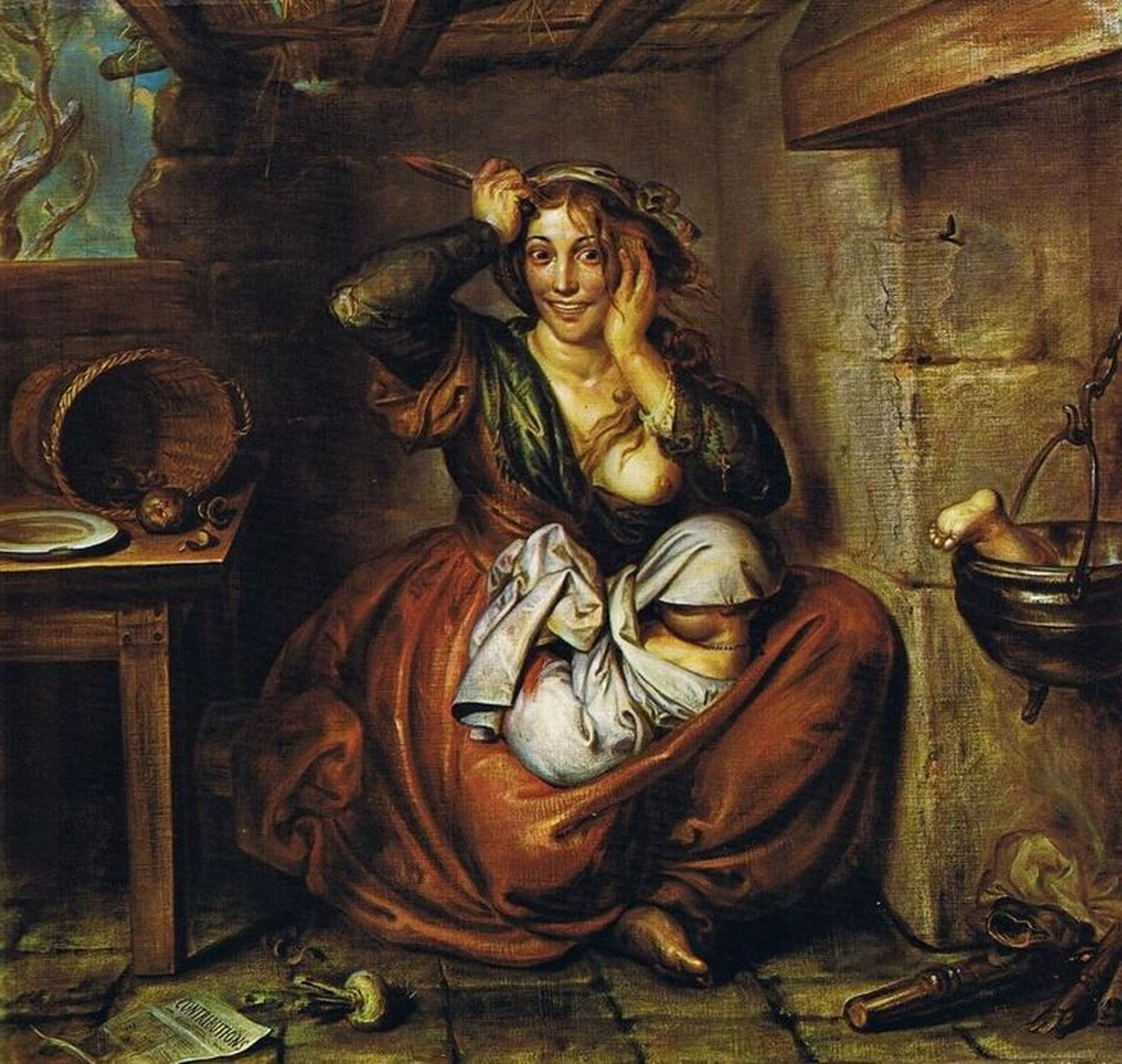
Picture: 19th Century sculpture from Democratic Republic of Congo

11 June 2023

Psalmist's Mother: My God, my God

 Psalm 22

"Yet it was you who took me from the womb; you kept me safe on my mother’s breast. On you I was cast from my birth, and since my mother bore me you have been my God. Do not be far from me, for trouble is near and there is no one to help." (Ps 22:9-11)


"My God, my God"
I moaned, I cried
and then he was out,
delivered.

Then there I was
swamped with feeling,
a tiny purple thing
latched to my breast
overwhelmed with love.

My child, my child,
how can I love you
how shall I protect you
from the baying dogs
and the charging bulls,
from people who will laugh
and scorn and abuse,
from death that lurks
for us all in the end
who am I
to take you by the hand
in this world where I have no control
helpless
just like you?

My God, my God,
I cast him onto you
for what else can I do?
When I am too weak
when I am too small
when one day I am gone
You will be there.
A Love even greater
than the one that's threatening
to tear my heart in two.
My God, my God
never forsake him,
do not be far from him
in his time of need.

Can a mother forget her child?
Never.
And neither can you.

___________________________

[11. June 2023]

Reading through the Psalms right now and found out Ps 22 mentions a mother and a birth scene and I was inspired.

In my daughter's first night I looked at her at one point and just had to burst into tears ober the realisation that God loves her with a love even greater than I could ever have. For me as a mother, knowing that God is there when I can't be is such a great help with so many things in motherhood and in life just not being in my control.

Ps 22 is the famous "My God, my God, why have you forsaken me?" Psalm that Jesus quotes on the cross. Having this little scene of the mother entrusting her child to God in the middle of it for me is a reminder of how we are dependent on God from the beginning. These verses set a contrast to the negative beginning. But also emphasises again the question: Where is God now in my suffering?

The Psalm ends with the experience that God is still there and does not really turn away or abandon anyone. The lament of the first half abruptly turns into praise. God can be trusted. I wanted to make this poem less about the lament (though I picked up some elements from the Psalm) and more about the trust, and that decision to entrust one's child to God because we can't do this parenting thing alone.

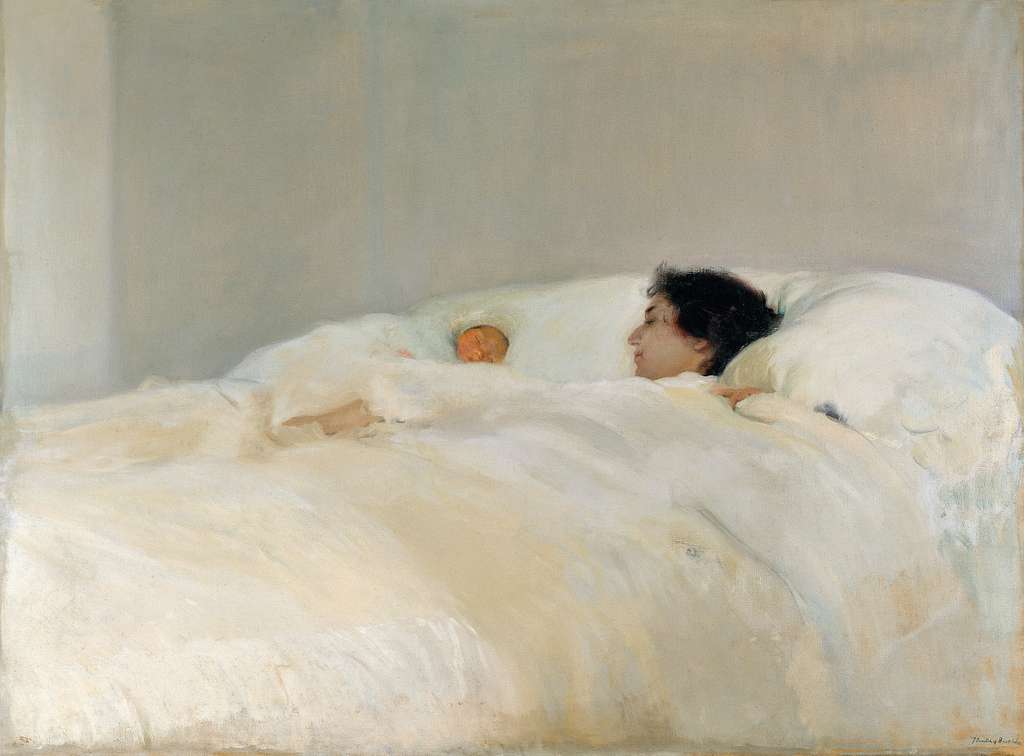
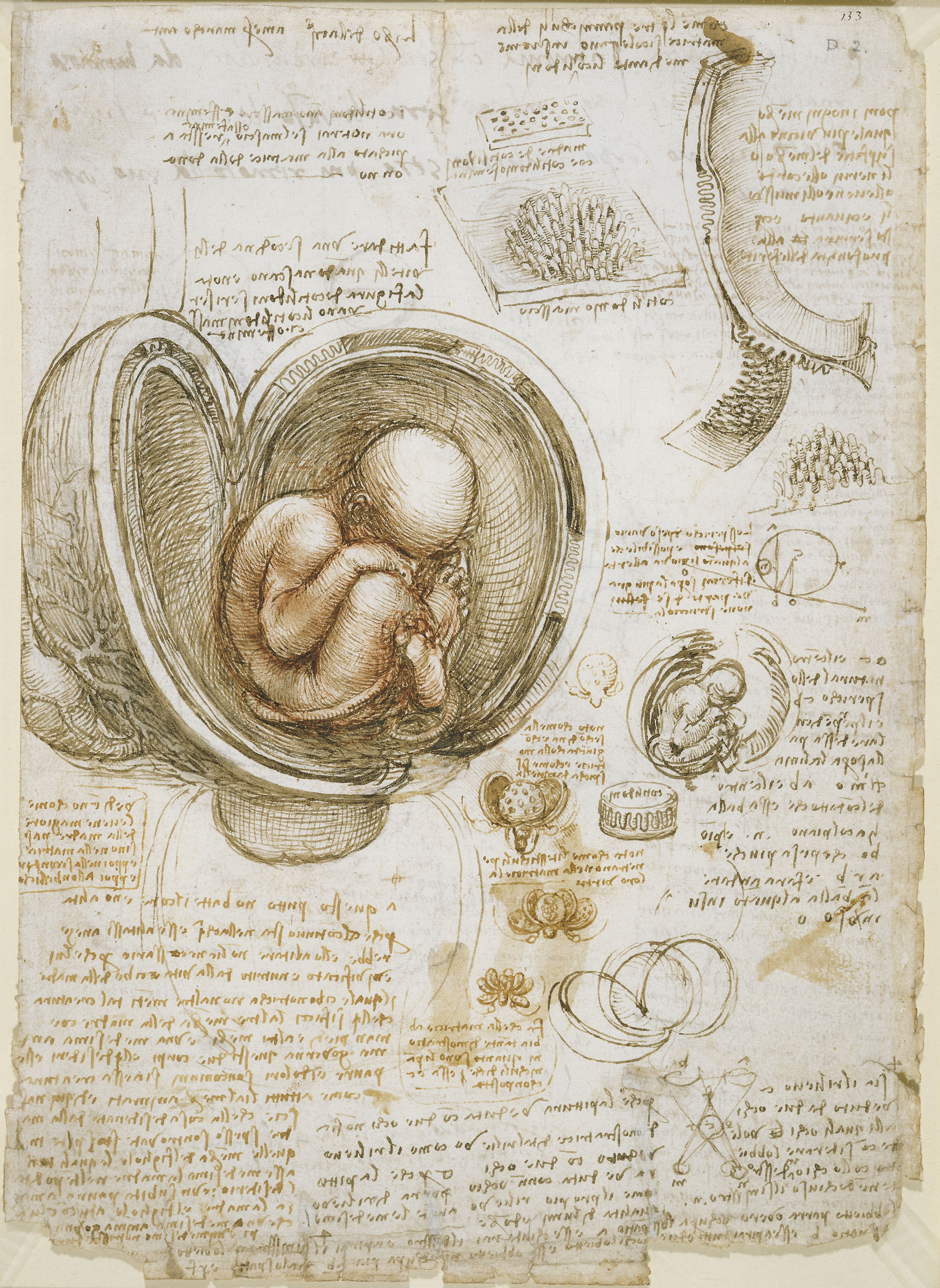
Picture by Joaquin Sorolla y Bastida

17 January 2023

Mary: Kicks


Joy -
May I feel it?
Dare I feel it?
Can I believe it?
It feels unreal.
Is there really
a child
growing in me?
Hesitant
and a little afraid
I rejoice.

Joy
despite it all.
Despite being doubled over
heaving my soul out,
dizzy, exhausted,
feeling sick
at the mere sight  of food -
because there is really
a child
growing in me.
How comforting
how strengthening
to rejoice.

Joy
at this little bump
finally showing,
my body, changing,
prepare him room.
Now the world may know
a child
is growing in me.
Ever more clearly
ever more loudly
I rejoice.

Joy
at every flutter and kick
as they grow and get bigger,
even start to hurt.
They keep me up at night
but are the sweetest signs:
"Hello, I am here,"
a child
growing in me.
Ever more confident,
ever more certain
I rejoice.

Joy
pushing me to action,
"nesting" -
prepare the way of the Lord.
Impatient
to meet at last
this child
growing in me.
Expectantly,
excitedly
I rejoice.

Joy to the world
the Lord ist come!
Forgotten is the pain.
At last I meet you
face to face
my child
my God
my joy complete.
With heaven and earth
I rejoice.

__________________________________________________

[9. January 2023]

Me: I have only about 30 women on the list and then this project will be complete! Let's go!
Also me: *writes an umpteenth Mary poem*
🤷

Last week was the Swiss Evangelical Alliance prayer week with the theme "Joy". I was asked to do a short sermon on "Joy in Christ", the scripture provided was Luke 1:44 (baby John doing a skip in Elisabeth's womb). After a bit of writer's block I remembered I quote I had read years ago (just after my daughter's birth): "Notice the kicks of the living Christ in you." Which made me reflect on how our joy in Jesus could be a bit like the joy of a pregnant mother. (NB everyone's experience of pregnancy is different and I based this a lot on my own.) Following is a rough translation / summary of my thoughts:

1. There's the hesitant joy of finding out you are pregnant. Maybe there's still some disbelief there ("Is that really a second line?" / "Did I really miss a period or is my body playing tricks with me?"), maybe also some fear, not quite daring to be too happy yet because we know the stats about the first trimester, possibility of loss, etc. (which is why many don't announce a pregnancy before that first phase is done)

Maybe sometimes our joy in Jesus is like that: some disbelief still, uncertainty, not quite daring to rejoice yet. (Does Jesus exist? Is he really what the Bible says he is? Is God really loving? - especially if we come out of faith traditions that showed us God in a different, less loving light)
 

2. Pregnancy has its less-than-pleasant side effects. Nausea, vomiting, dizziness, I had a bunch of fainting spells and was given lovely compresson stockings to force myself into every day in the heat of summer (yay). I had to unfollow recipe pages on social media because seeing food made me feel sick. (And I think I had a comparatively easy pregnancy) But the joy in the child helps to endure this side of pregnancy and gives strength.

Life is not easy. We experience grief and suffering, that's part of being human. Being a Christian and following Jesus is also not easy in most parts of the world. But joy in Jesus can give strength to endure the sufferings of life.

3. Often the baby bump is the first visible sign from the outside. I know I could not wait for the bump to appear.

Maybe sometimes our joy in Jesus is in the visible signs of him in our lives. Seeing visible changes in how we live and how we treat others.

4. Kicks are like the first "communication". I remember for the longest time it felt completely unreal to me that I had a child in there, and despite reading everywhere to "talk with your baby" and really wanting to start building a relationship before birth already, I simply could not. It felt weird. I felt disconnected. The kicks made it more real. And kicks are not just nice and sweet. Towards the end they HURT. 

"Notice the kicks of the living Christ in you": where do we feel Jesus communicating with us? Maybe we also have a hard time connecting with him sometimes. Invisible like the baby inside. What are signs we get from Jesus that he is here? What are the signs we see in the world that show us God at work already to transform it into his kingdom of love, the signs that give us joy and hope?
 

5. I think I need to preach about nesting next Advent because I realised Advent is really just institutionalised nesting. xD I redecorated the entire house without help because it had to be done YESTERDAY. German has the lovely word "Vorfreude" (pre-joy) for anticipation. Being joyful in the waiting and expecting. That's the kind of joy you have in nesting - that also gives energy (lots of energy) despite already being half a whale. Also: towards the end I got really impatient and started doing things like exercises ("guaranteed to get labour started!!!") or eating loads of spicy food (despite heartburn... yep.) to try and "help things along".

Our joy in Jesus can be this joy of anticipation. Preparing for his second coming and this world fully becoming the kingdom of God. I believe that living the way Jesus taught us is one way to prepare and to "nest". To do our own part in spreading the Kingdom of God.
Also: can we be so crazy excited for Jesus to come back that we do weird things do "help things along" (even though that doesn't really work, in both cases, but - I mean the energy behind that)?


6. The ultimate joy is having your baby in your arms after labour and forgetting how much it hurt. I had too many happy hormones to sleep despite having missed a night. "Sleep when the baby sleeps" - not a chance at that point, you just worship baby for a while (or I did).

We will have the joy of meeting Jesus face to face. :-)


I know this is pretty much a Christmas poem with all the "Joy to the World" references and such, but because Advent and Christmas is busy time for me at work, I never got to reflect and write (and I write when the words come, instead of sitting down and deciding to write something, usually). 

Maybe the next poem will be one of the ladies I still have on my list (Eunice has been in the queue for a while..), but we'll see.

Art by the "Master of the Spes Nostra"

20 July 2022

Jochebed: Weaning

Exodus 2:1-10


How often now
have I said "I'm done" -
when you bit me
or had a trying night.
"I can't do it anymore,"
I thought
so many times.

And yet
I'm just not ready.
Every time
you turn away your head
or would rather play,
every time you prefer
meat or rice or figs
sadness overcomes me
and fear
as I realise:

Our time is coming to an end
and soon
you'll be no longer mine.
Even this borrowed time
must come to a close
and I'll have to give you away.

No, child, no - 
stay small
stay mine
I'm not ready
I'm so done
but I'm not ready.

I'd rather hold you
wriggling and screaming
to this dry breast you no longer want
than let you go
and give you up
for good this time.

______________

[Feb / July 2022]

Jochebed, Moses' mother, put her son in a basket after it became impossible to keep him hidden in Egypt where all Hebrew boys were killed. It was her last resort to keep him safe. By a miracle, he ended up being found by the Pharaoh's daughter, who took pity and wanted to adopt him. Through the quick thinking of his sister Miriam, Jochebed got her son back through the role of wet nurse.

But then what would it have been like for Jochebed to have that time come to an end as Moses started weaning? It's likely she was allowed to nurse way past 2, it's only modern Western culture where breastfeeding less than 2 years is thought to be the "norm". But still. That time ends. Every child weans. No more wet nurse. A second goodbye.

I'm in a bunch of breastfeeding groups and have observed that weaning is a complex topic. Sometimes as a mother one just has enough and wants to wean, other times the child abruptly stops before Mama is ready. Often the end is bittersweet. I'm not there yet 😆 but have experienced odd days where my daughter showed no interest for hours and I felt oddly offended by it. 🤣 So I imagine it must have been an extremely conflicting experience for Jochebed. You can't force a toddler to nurse (hence the "wriggling and screaming"), when they're done they really are done. But to have that mean not only the end of the breastfeeding relationship but also the end of your time with your child - terrible! 

I first wrote this in German this Feb at a workshop I did in my church (I like taking Ex 2 because there are 4+ women in the story), translated it today because I'm doing another workshop and just rediscovered it among my notes. 😆 

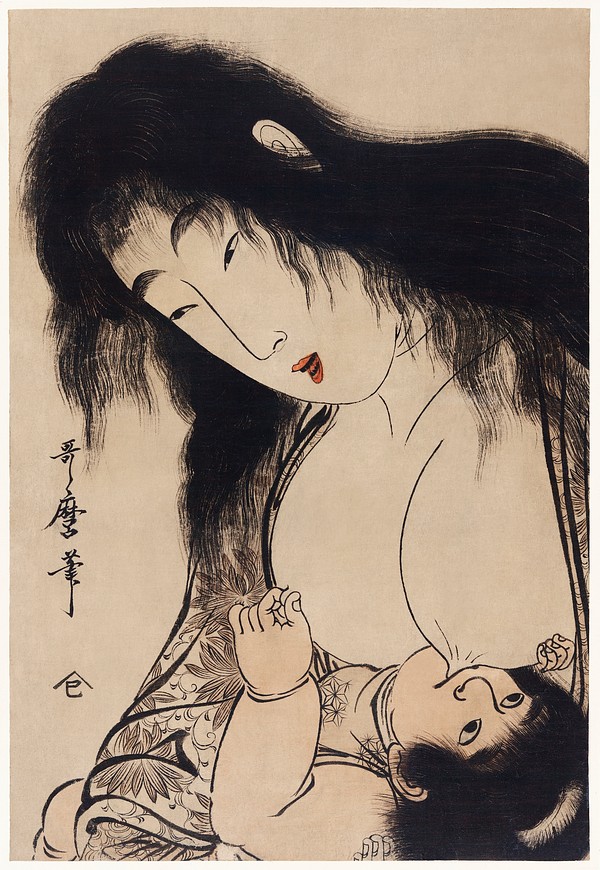
Picture by Utamaro Kitagawa. A very "toddler nursing" picture. 🥴 

19 July 2022

Haggith: Don't Heal Me


Don't heal my broken heart, God.
I want to feel the pain.
I want the wound
to stay open, bleeding.
I want to stay shattered;
Don't gather my pieces.
Let me grieve.

Don't heal my broken heart, God.
Let me stay here instead,
wallowing in bleeding love,
bleeding for him.
Healing would feel
like forgetting
getting over him
betraying him.
Losing him forever.

Don't heal my broken heart, God.
Don't take the pain,
don't comfort me.
For as the pain fades
so does he.
Keep my tears flowing.
Silence my laughter.
Keep me broken;
I don't want to be fixed.
I need him to stay present
in my pain, in my tears.
I need him to keep haunting me,
I need it to keep hurting me.

So don't heal my broken heart, God.
Let me grieve.

___________________________

[19. July 2022]

I read about a most terrible loss of a baby today. While I was praying for the mother the thought came to me that with such a loss, I would not want to be comforted. "Feeling better", ever, would feel like a betrayal.

Modern-day Western culture is very uncomfortable about grief. We try to make people feel better because that makes us feel better. But sometimes we just need to feel our feelings. It is so important to have and give permission to grieve. To feel all of it for as long as it takes, in whatever way it takes (everyone grieves differently!), instead of feeling under any pressure to "go back to normal".

I chose Haggith for this poem because she is one of many grieving mothers in the Bible. Her son Adonijah is one of the contenders for David's throne and almost becomes king. Bathsheba manages to get her son Solomon on the throne instead. Solomon then has Adonijah and his supporters killed. Politics and intrigue and we can have all sorts of theological conclusions about what went on here, but in the end you will always have people experiencing loss and grief.

I believe God allows us to grieve, that being a Christian does not mean having to be always happy, that it is perfectly fine to not want to get better yet. God lets us take our time to grieve. He will heal when we are ready.
So this also makes me think about how I am there for people in grief. How I pray for them. "Heal the broken hearts" - yes, but are they ready to be healed? What do they actually want and need? Maybe instead of being released from their feelings, they want a safe place to express them? Maybe I can be that safe place for someone. Just listening, not trying to comfort. Maybe a better prayer would be that grieving people can receive what they need - be that comfort, sleep, a listening ear or the courage to be angry.

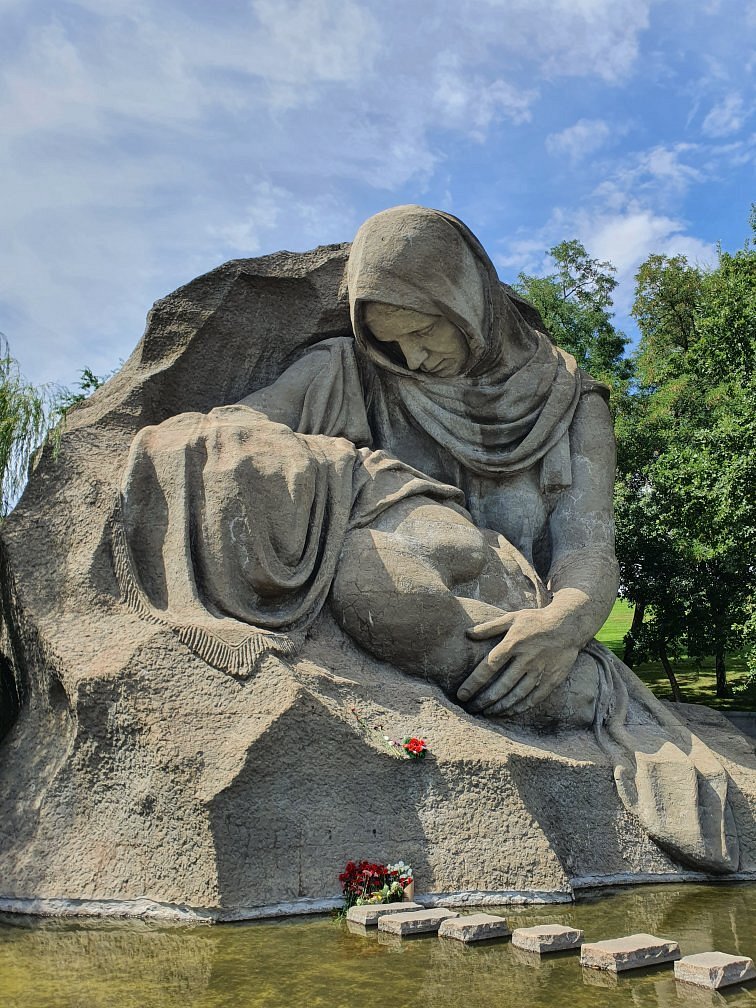
Picture: "Grieving Mother" in Volgograd

07 May 2022

Born of God


John 1:10-13

we become
children of God

not by praying
a standard prayer
clean and tidy

not by checking off
the right beliefs
on a checklist

not of natural descent
nor of human decision
nor a husband's will


we become
children of God
through the blood, sweat and tears
of love
powerful as contractions
we become
children of God
through the raw, animal passion
of life that must come out
that will come out
though the little head seems
to keep slipping back up
we become
children of God
pushed between her thighs
drawn towards her chest
to suckle at her loving breast

we become
children of God
born of God

________________________________

[6.-7. May 2022]

Me reading John 1 on Tuesday: Ugh it's so hard to learn anything new from a text you know by heart.
Me reading John 1 on Wednesday: Hang on. "Born of God"? God gives birth?! *poem idea born*

It's also John 1 where God has a uterus (v.18: the Greek "kolpos" often translated "bosom" is actually "womb"). So no, there's nothing "biblical" about God being "male", and there's nothing "unbiblical" about imagining God as a mother or (o horror) imagining God giving birth. God is neither male nor female, but male and female imagery can help us understand what God is like. Traditionally we have limited ourselves mostly to male imagery, but the Bible itself is full of feminine imagery as well, from the mother hen to the nursing mother to the uterus in John 1:18 and now this (which to be honest I only noticed this week).

We talk a lot about being "born again", but never really think the image through. What does it mean to be "born"? On the one hand it does signify a completely fresh start, the purity of a new beginning, maybe also the potential that is in every newborn child. But what we tend to omit is the actual act of giving birth and what that means to the mother. Maybe because (in Western culture at least) we speak of giving birth as being this terrible, scary, painful thing. And yes, it can be. But birth is also beautiful, and it can also be empowering. Maybe what makes it scary is how "feral" it is, how completely physical and instinctual. The pain comes from the powerful muscles working to get baby out. The mind only gets in the way here.

We like to view God as the one who brings order into chaos. Birth and the female sphere in general have often been relegated to the "chaotic". So what does it mean that God "gives birth" to us? I don't want to name conclusions, I'd rather let the image speak. So maybe next time we talk about being "born again" we consider what that means - what a raw connection that must be between us and God. How much we must mean to God.

Picture by Paula Modersohn-Becker

23 January 2022

Widow of Zarephath: My Cup Overflows

1. Kings 17

I am alone
but my cup overflows.
No husband to support me
but my cup overflows.
Sole provider for my child
but my cup overflows.
Troubled are our times
but my cup overflows.

Your abundance
comes flowing down
covering our needs.
My cup overflows.
All the strength that I needed
to live through this time,
endurance and joy,
my cup overflows.

Faced with starvation
but my cup overflows.
Faced with illness
but my cup overflows.
Faced with loss
but my cup overflows.
In all adversity
my cup overflows.

All your riches,
your luxurious love,
pouring into our lives,
more than enough.
My cup overflows
enough to share
with hungry prophets
and weary guests.
My cup overflows.

_____________________________________________________

[23. January 2022]

The other day I randomly pondered whether there were any single mothers in the Bible. Of course there are quite a bunch. This is one of them and the first who came to mind.

Her story really spoke to me in the moment that I thought about her. She is a single mother like me. She lives in challenging times like we do currently (for her: drought and famine, for us: pandemic). She experiences miraculous provision - which I have been experiencing too ever since the separation. Oil in the Bible is a symbol of joy and abundance. She experiences the miracle of her tiny remainder of oil never being used up. What if we read this not only as the literal kitchen ingredient never running out, but as God providing all she needs? Personally these past few months I have somehow always had the strength and courage to get through all the challenges of becoming a single mother. Reading the widow's story, the "oil" in my life is these things.

So yes this is one of those cases where I write a poem for a woman of the Bible from the perspective of my own current experience. This story is an encouragement to me.

I also find it interesting how the whole thing connects to hospitality. The widow has too little for herself and her son, then suddenly has a guest on her hands when Elijah basically invites himself. It is in this situation that the oil and flour never run out. The widow dared to be hospitable - and it paid out. I have also made this experience that sometimes when I'm going through a hard time, helping others actually helped me. Weird maybe, but it happens - miracles of provision I think are more common than we might expect.

"My cup overflows" from Psalm 23:5 jumped into my head for this one, and I decided on the repetitive pattern to emulate the "his love endures forever" refrain in Psalm 136.

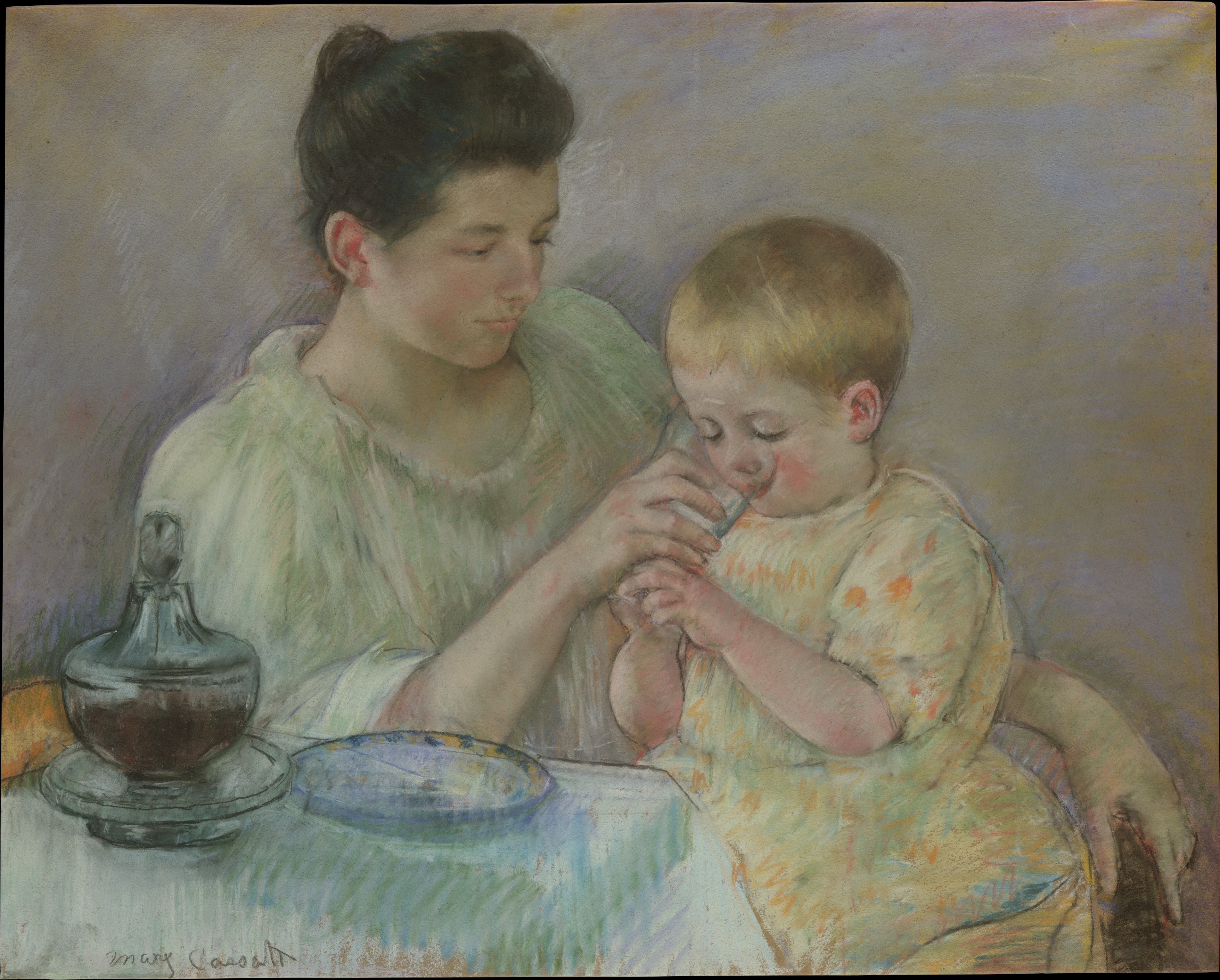
Picture by Mary Cassatt

29 August 2021

Solomon's Judgement: Rent Hearts


 I.
You were all I had.
My bright light
in this dark life,
something to live for,
a small thread of meaning
in the drudgery.
You were all I had.

But now
the light is snuffed out,
the thread is cut.
My arms are empty.

My arms are empty,
longing,
desperate to be filled.
So I will fill them -
I must, I must.
I will pretend
that he is you
back in my arms again.

You were all I had.
I can't give you up.
I will pretend
that he is you.
And if I can't - then so be it.
Let them rend him with a sword,
my heart is rent already.
I'm too broken to care,
too deep in grief
to grant her what I can't have.
If I must suffer,
she should too.
If I can't have you
no one should.

Let them rend him with a sword.
My heart is rent already.


II.
You are all I have.
My bright light
in this dark life,
something to live for,
a small thread of meaning
in the drudgery.
You are all I have.

But now
the threat of losing you -
snatched, stolen, ripped from my side,
my arms are empty.

My arms are empty,
fighting,
fighting to get you back.
I love you,
I need you,
I need you to be safe.
Come back to me,
back to my arms again.

You are all I have.
I can't give you up.
I need you
back in my arms -
but if I can't, then please be safe.
My heart is rent without you,
but I need you to be whole,
need you to live
and shine your light,
if not for me,
then for yourself.
If the only way 
to keep you safe
is letting you go -
then so be it.

My heart is rent without you,
but I need you to be whole.

_________________________________

[29. August 2021]

Actually had other ladies higher up on my to do list but spontaneously decided to write the p.o.v. of the two prostitutes who fought over a baby. One had accidentally smothered hers in her sleep and now both were claiming the living one. Solomon suggested cutting the baby in half to find out who the real mother was, because she would be more concerned with keeping her child alive.

Anyway because this poetry project is about compassion with the characters / trying to imagine what they are feeling, I did not want to do a "bad mother / good mother" thing. Was the mother of the dead baby selfish for not caring if the live one was killed? Maybe, or maybe she was just too full of grief (which can make us not think straight). One mother's primary concern is her grief, which makes her care about little else. The other's main concern is her child's safety, which makes her willing to sacrifice. Both women are in a terrible situation though - each in some way has her heart broken. One can't do anything for her child anymore - the other can still try to keep him safe.

Picture by William Blake


03 July 2021

Rizpa: Ich bin Mutter

 1. Samuel 21,1-17


Ich bin Trauer –
zerrissen von Verlust,
ein Loch in meinem Herzen
wo du einmal warst.

Ich bin Verlust –
allein nun, verlassen,
meiner Söhne beraubt –
grausames Menschenopfer
im Namen Gottes getan.

Ich bin Liebe, ausgegossen
aus gebrochenem Herzen,
fliessende Tränen
die dich nicht auferwecken können,
schützende Arme
die dich umhüllen
dass dich am Tag die Sonne nicht steche
noch der Mond des Nachts.


Ich bin Zorn
der kämpft für meine Kinder
gegen alle Gewalten der Natur,
wenn es sein muss: gegen Gott;
gegen die Verwesung,
gegen den Tod.

Ich bin Treue
mächtiger als Hass,
schärfer als ein Schwert,
stärker als der Tod;
ich ertrage jeden Sturm,
ertrage jeden Schmerz –
deine Beschützerin
über das Ende hinaus.

Ich bin Mutter.
Meine Liebe stirbt nie.
Ich würde den Tod töten
wenn ich es nur könnte.

Wo ist nun Gott?
Freut er sich über Menschenopfer?
Oder bekämpft sie den Tod mit mir?

__________________________________

[Übersetzung 7. Mai 2021]

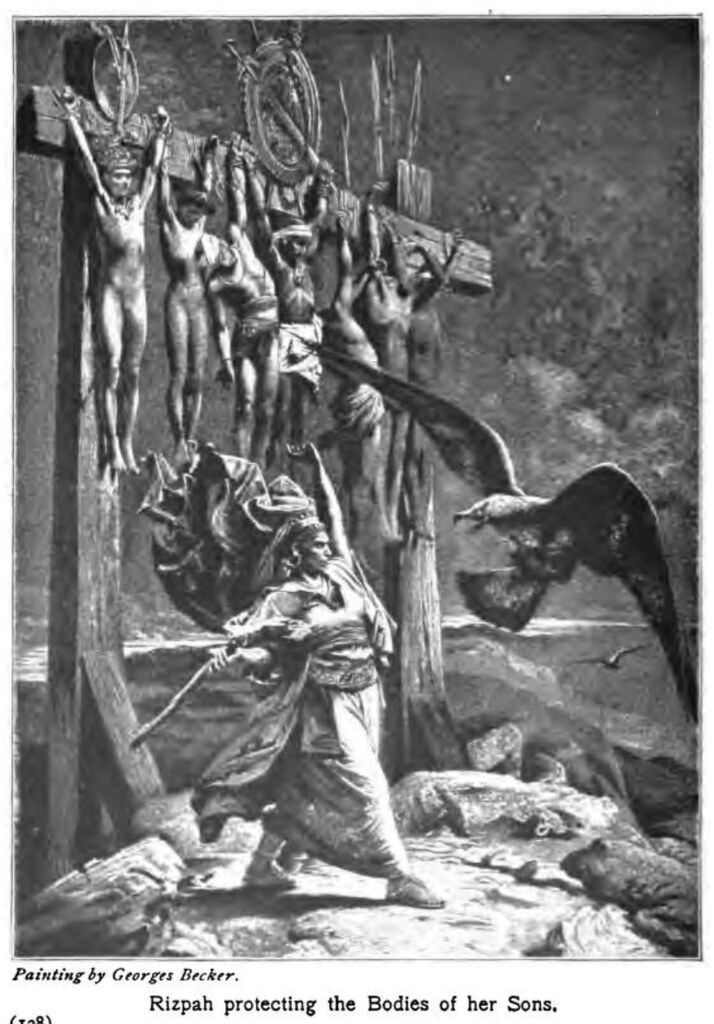
Bild von George Becker

22 November 2020

Cannibal Mothers: In the Destruction of my People

The hands of compassionate women have boiled their own children; they became their food in the destruction of my people. (Lamentations 4:10)

Oh my dear, beloved child,
why
did I bring you into this world
in such a time as this,
in the destruction of my people?

How selfish of me
to give you life
when life can only be suffering -
to inflict on you
something you could not choose
in such a time as this,
in the destruction of my people.

I see you suffer,
I hear your cries,
my dear, beloved child.
No future,
no hope,
no light,
no life -
why
did I bring you into this world
in such a time as this,
in the destruction of my people?

How I wish
I could protect you,
shield you from the threats,
spare you,
save you
from the destruction of my people.

How I wish
you could crawl right back,
back into my body, where you were safe.
How I wish
I could take you back
into my womb, warm and at peace,
protected
from the destruction of my people.

So come now,
my dear, beloved child -
I'll make you a part of me again.
Back to how it used to be,
back where I can keep you safe,
back to where you can be free -
free from the pain,
free from the fear,
where I can forever hold you near
in the destruction of my people.

__________________________________________________

[22. November 2020]

Creepy? ^^;

I actually had the idea for this months ago and never got to write it until now. I'm having a "Corona baby" so I have on and off been thinking about what it means to bring a child into a very messed up world. Even without the pandemic there's climate change which is pretty much inevitable now. We can't necessarily expect our children to be as privileged as we have been (speaking as a 90s kid). Is it still "responsible" to bring children into this world? Is it "fair" to bring children into this world who will have to deal with things like climate change, more frequent pandemics, etc? Is it selfish to want children in this day and age? My husband and I have discussed this off and on a bit.

I had to think of this terrible verse in Lamentations about "compassionate women" eating their own children. And the image that came to my mind was of taking the child back into one's body - back into safety, in a sense. "Compassionate women" - maybe the cannibalism isn't a crass breach of their compassion, but their attempt to be compassionate with their children and free them from suffering? Horrible, yes - but I decided to pick up that idea here. What if they felt death would be better than life for their children, in all the disasters they were experiencing? What if they felt it would be more compassionate to administer that death themselves, from a loving hand, instead of watching their children suffer and die agonisingly?

I don't think that makes it excusable to kill and eat your own child. But what I was going for here was that strong desire to keep your child safe - a desire that can get completely irrational (title of the picture here btw is "Faim, folie et crime" and the mother looks like she has lost her mind and does not really know what she's doing).

Our conclusion by the way to the whole "is it right to bring a child into the world now" question is best summed up by something Martin Luther said: "Even if I knew that tomorrow the world would go to pieces, I would still plant my apple tree." Having children is about having hope, about having faith. We have no control over our children's future, but it does not have to be a bleak one. To me, every child is hope - because every child is also potential for good, for change, for new things. And while the prophets in the Bible paint a lot of very dark and bleak images, almost all of them also give hope and talk about how God will heal and rebuild.

So I don't feel bad for having a baby in the middle of a pandemic. I do think about how some things may be more challenging for my child than they were for me. But on the whole I'm not afraid. It's not all destruction. And the safest place is not my womb but the womb of God which is everywhere, so ;-) I let go and trust in the mothering power of God.

Picture by Antoine Wiertz

30 July 2019

Parable of the Lost Coin: God is a Poor Woman

Luke 15:8-10

It's just a coin.

Maybe, to you.
Something small,
replaceable.
Not to me.

Six hungry mouths to feed,
ten precious coins
for bread and meat,
ten times a hard day's work,
ten coins to last us
a week, maybe two.
And then?
We'll see
as we always do.

But now there's just nine.
Where is the lost?

It's just a coin.
Maybe, to you.
Not to me.

One night more
awake to the tune
of hungry children crying
themselves to sleep,
one day of labour wasted away,
one day's sweat poured out in vain,
precious hope and sustenance
collecting dust
somewhere under a cupboard.

It's just a coin.
But I will turn this house
upside-down if I must.
And I will sweep away the dust
and shine my light in the darkest corners,
move furniture, disturb the cat,
I will not rest
until I find that coin at last.
And when I do - celebration!

It's just a coin.
Maybe, to you.
And you can leave it where it lies,
and go on with your life.
But to me it's so much more -
and so much greater the joy
when I hold it in my hands again at last.


Imagine, then:
God,
a poor woman like me,
and you
the precious coin she seeks,
a precious coin she needs,
not worthless or small or replaceable,
not useless
but the fruit of sweat and tears,
valuable for the work ahead,
worth looking for.

____________________________________

[30. July 2019]

I looked up the estimated worth of a drachma in ancient times. It was the currency of ancient Greece, a silver coin. It would have been the daily wages for a skilled worker. I have read very different things about how much it was really worth, but I decided to bounce off the idea of it being the pay for a day's labour, as well as considering this woman had 10 in total so a whole tenth of her complete savings was missing. It makes me assume she can't have been a particularly rich woman.

The sentence "God is a poor woman" snuck into my mind. I like the thought. On the one hand the reminder that God knows our human experiences - including the experience of poverty. On the other hand the thought that poverty can teach you the value of things. God knows the value of things. He doesn't need "extra". We are precious to him like the coin to the poor woman, without being something "special" or especially "spiritual".

Also while writing I considered: money is payment for work, the result of work, and we are God's work - and also: money buys things, so what does God want to use us for, what is God "buying" with us? It made me think of our inclusion in God's mission. A poor woman can use money to buy food to feed her children, so I had to think of how we are called to serve others, feed the hungry, care for the needs of people around us, ... What could it mean for us to be God's coins?!

Art by James Tissot.

20 July 2019

Mother of Abimelech: No Mother Knows

Judges 8:31 / Judges 9

No mother knows
what will become of her son -
and if she did
would that change anything?

Maybe I should have seen.
Maybe I should have suspected.
Little misbehaviours,
small cruelties.
Maybe I should have known.
Maybe I could have
if not
for that thing that clouds
a mother's eyes.

But
even if I did
would that have changed anything?

No mother knows
what will become of her son -
that he might be a king,
that he might be
a killer,
murderer
of his on flesh and blood,
tyrant,
oppressor.
Maybe
I could have known
if not
for that thing that clouds
a mother's eyes.

No mother knows,
but sometimes,
sometimes,
no, often,
she asks herself:
Why did I not know,
what should I  have done,
what did I do wrong,
is it my fault
that he has become
this?

No mother knows,
and if she did
would that change anything?
Maybe
I could have
changed all our fates
had I known
had I
Done Something
(what?)
(drowned him?)
(suffocated him in his sleep?);
if not
for that thing that clouds
a mother's eyes,
that thing that
even now
clouds my eyes with tears.

Because
how could I love him
any less?


____________________________________

[19. July 2019]

Abimelech was the son of Gideon (of Sunday School fame) (I don't know why they like to teach small children stories from Judges as hero stories... Judges is a terrible book about terrible people). His mother, Gideon's concubine, is mentioned in one small verse that talks about his birth (Judges 8:31). Yesterday I re-read his story (Judges 9) - a terrible story of extreme violence. To become king, Abimelech killed his 70 brothers. He laid entire cities to waste and burned people alive. He was a horrible person.

Thinking of his mother, then. A mother loves her child, expects and hopes good things for him. Sometimes, horrible people come from horrible family backgrounds, neglect, abuse etc. But I decided to assume here that Abimelech's mother was a "normal" mother. And to consider what might go through the head of a mother who realises her beloved son has become something terrible, maybe feeling guilty, maybe wondering what she could have done differently in bringing him up, how she might have prevented this happening... but still not being able to hate him. I imagine she would feel really torn and conflicted.

While writing this I had to think of the Swiss German song "Kei Mueter weiss, was ihrem Chind wird gscheh" (no mother knows what will happen to her child). Actually a Christmas song about Jesus. But true for any mother, and any child. There is only so much you can do as a mother (or father, or teacher, or any role in bringing up a child).

Art: Christian Krohg

26 May 2019

Widow Jerusalem: I Cannot Save You

Baruch 4:8-28

"But I, how can I help you? 
For he who brought these calamities upon you 
will deliver you from the hand of your enemies." 
(Baruch 4:17-18)

Alone with the pain,
alone without you.
What can I do?
Watching you as you go astray,
watching you fall and be taken away,
away from my loving arms.
What can I do?
What could I have done
to protect my lost sons,
to prevent all this pain?
What can I do
to rescue you,
bring an end to these wounds
you inflict on yourselves?

What can I do?
How can I save you?
What sacrifice
could this mother make?
I'd make them all,
I'd destroy myself
if only
if only
I could rescue you.

But it would be in vain.

What can I do?
I cannot save you.
How important for me
to realise this is true,
to learn to let go
and wait from afar,
not break myself
against your rocky hearts.
I cannot save you,
I'm allowed to let go,
let go and let God
who can do what I can't.

What can I do?
I can cry to the Lord,
day and night, all my life,
cry out for you.
I can watch, I can pray,
I can hope, as I wait,
encourage you with my faith
that you'll yet be saved.

Alone with the pain.
Alone without you.
I cannot save you -
and yet
there's still much I can do,
as I let you go
into the hands of God,
as I let him do
what I can't.
I will pray,
I will hope,
I will trust
until at last
the day comes
when I will have you back.

_____________________________


[26. May 2019]

I'm currently reading the Apocrypha (books excluded from the Bible during the Reformation, which were part of the Bible of the early church and are still in the Catholic Bible) and stumbled upon this personification of Jerusalem as a widow mourning her children. I loved this depiction and especially v. 17-18: "How can I help you? For he who brought these calamities upon you will deliver you from the hand of your enemies." As someone who has had to work through co-dependency, that really spoke to me.

Mother Jerusalem is struggling with the loss of her children who have been taken into exile. They have had to feel the consequences of their actions. As their mother she wants to rescue them - and co-dependent people tend to try to "save" others, to their own detriment. Trying to save other people is pointless, though - often our attempts are counter-productive. Often we end up protecting people from the consequences of their own actions so that they can never grow, at the same time breaking ourselves and losing ourselves. It is so very important to realise that we cannot save other people. The first of the 12 steps in Al-Anon (programme for loved ones of alcoholics) is to realise we are powerless over alcohol - i.e.: to realise what Mother Jerusalem is realising here. "How can I help you? - Only God can."

Realising we can't save people helps us give ourselves permission to let go. We co-dependents often feel we have to save the people we love. Realising we cannot gives us the freedom to let go and no longer give ourselves a bad conscience when we fail to change the people around us. Step 2 is: "Came to believe that a Power greater than ourselves could restore us to sanity." And that is also what Mother Jerusalem realises in v.17-18: she cannot save her children - but God can. "Let go and let God" is one of the slogans of Al-Anon. Letting go does not mean giving up, but instead giving what I cannot do to someone who can. Mother Jerusalem does this here: in Baruch 4 she keeps emphasising her trust in God, her hope that he will change what she cannot.

These are some of the most important things I learnt about dealing with co-dependency... I cannot save the person I love - however, God can. So I am allowed to let go and no longer try doing what I can't do. Instead I can focus on what I CAN - and trust God with the rest. :-)

12 Steps of Al-Anon
Picture: Mary Jane Peale, "Pearl of Grief"

01 August 2018

Pharaoh's Daughter: Just Like Me


Exodus 2:1-10

Foreigners.
Outsiders.
With your strange religion,
your alien ways.
Taking our jobs,
threatening our culture,
hostile,
dangerous,
lazy ingrates.
Who knows what you're planning?
Who knows when you'll be more than us?
Who knows what you'll do?
What then?

Stereotypes
are like horoscopes:
broad enough to sound so true,
convincing enough
that you can't smell the lies.

But
I see you mourn your children.
You're just like me.

Stereotypes
are like horoscopes.
So easy to hate all of you,
for the actions of a few,
so easy to let fear
distort your features,
till you're no longer people
but monsters to be culled.

But
I see you mourn your children.
You're just like me.
Because
I've mourned my children too.

I know what it's like
when joy is replaced with emptiness.
I know what it's like
to have your hopes and dreams
smashed to smithereens
with your aching mother's heart.
I know what it's like
when your breasts weep milk
for a child no longer there.

I see you mourn your children.
You're just like me.

So you see,
I can't hate you,
can't watch them cull you like animals,
because you're not.
You're just like me.
I can't watch
as another child dies,
as another mother is left bereft,
because you're just like me.

We don't have to mourn this child.
You and I can both be mothers.
I can save us three.


______________________________________________________________________

[1. August 2018]

Some of what flowed into this:
  • Visiting my third home South Africa and experiencing the disconnect that still often remains between the races.
  • All the stuff here in Europe about refugees being turned away, deported, or talk about sinking boats on the Mediterranean to discourage more migrants from trying to cross over. The rhetoric is appalling.
  • Watching "Schindler's List" with my Ouma and seeing how horrible human beings can be (and they haven't changed one bit).
  • Islamophobic rhetoric which I often hear here in Switzerland (a lot of it from "Christian" circles which is sickening).
  • Reading a bit too many novels involving infertility / miscarriage / etc.
 Anyway I decided to look at Pharaoh's daughter from the angle of "What if she was desperate to have a baby but kept having miscarriages, and finding Moses for her was like an answer to that longing for a child?" Of course the Bible tells us hardly anything about her background; we only know she is Pharaoh's daughter, we don't know whether she has other children ("The Prince of Egypt" gives her a son), we don't know what moved her to adopt Moses except simply that she had pity for him (Ex 2:6). I played with the "what if" here. Thinking of how finding small connections to the people we're supposed to distrust or hate can open the door to compassion, break down stereotypes and remind us of their humanity.

There are so many stereotypes that you hear day by day. I included some common ones about immigrants in this poem. They sound correct enough that they're easy to believe. Stereotypes are often based on some aspect of truth which makes them so convincing. But they can make us forget the others' humanity, can blind us to the complexities of other people. It's all too easy to commit horrors against other human beings (see the Holocaust... the Nazis were normal people, not monsters) - and even to think it's okay or to think we're doing a good thing! (The people who killed Jesus thought they were doing God a service..)

We need to look beyond the stereotypes, generalisations and caricatures to the humanity of the people we're afraid of or being taught to distrust. In South Africa I heard a lot of things about all sorts of people but I saw all of them hanging out their laundry - and that to me was such a powerful reminder of how in the end, we are all human, with the same day-to-day hopes and fears. We need to stop generalising about each other and dehumanising each other, and start noticing the sufferings we have in common (e.g. child loss as I wrote about here) or the small details of life (like hanging laundry).

Pharaoh's daughter stepped beyond the stereotypes of her day and crossed a boundary by saving the life of a Hebrew child who her own father had commanded to be killed. She took a step towards dialogue by making the arrangement with Moses' mother that she should nurse him till he was weaned, and then let Pharaoh's daughter adopt him. What are the ways we can dare to dialogue with the people who are different from us?

Picture by Lawrence Alma Tadema.

28 April 2018

Womb of God


In the beginning
was YES.
The Yes of a Mother
to new life inside her,
the Yes of Love
and potential.

In the beginning
was Your Womb,
and I was nurtured,
enveloped by Your love.

In the beginning
was the life you gave me.

Thrust out into the world,
I stumbled,
helpless.
Cut was the cord
and I foundered,
reaching for You.

I lost sight of You.
I forgot
the warm walls of love
that once surrounded me.
I doubted
your unconditional Yes to me.
I feared sternness;
I ran away,
seeing my shame,
separated, I believed, from You.

But in the end
is Your YES,
a Yes that will never be taken back,
a Mother's enduring, unconditional love,
Your mark on me
that I belong.
In the end
there is no chasm
between You
and me.
Only Your arms
waiting
to hold me,
to put me to your breast
and nurse me to strength,
to lead me as I find my feet
and make baby steps
into a world
that you prepared for me.

There is no rejection,
no condemnation,
no separation.
Teach me to see.

__________________________________________________

[28. April 2018]

So I have been itching to write about God as Mother (a perfectly biblical image btw; if in doubt see here). And about God's uterus because according to the Bible God has a uterus. :-P (John 1:18 bosom = κόλπος = womb) Finally managed...

What flowed into this was thoughts on "original blessing" from this podcast I listened the other day, and the book I am reading ("Original Blessing" by Danielle Shroyer). The idea is that the concept of original sin distorts our view of relationship with God. We see it in terms of separation, and basically make our sin more powerful than God by seeing it as an insurmountable obstacle that even God can't overcome without sacrifice. The idea of sin separating us from God did a lot of havoc in my mind as a child and teenager (because it's in every summary of the gospel / evangelistic presentation). Even with the sacrifice of Jesus, you keep asking yourself: am I really good enough for God? Because at the basis of everything lies God's distaste with sin, and original sin means we are all born sinful (or "totally depraved" depending on which theological corner you're in) and need to be made good enough first. Of course I repeated the "sinner's prayer" a few million times, but I was never confident that it had really "worked", because shouldn't a sign of being "born again" be that I don't sin anymore? But I was still fighting with my sister and doing things I regretted later (and sometimes my "Christian zeal" made me a bigger bitch [sorry not sorry] than I would have been without).


Original blessing is what I have discovered in my baptismal practice (as a pastor): in the beginning, before we are able to respond or understand, God's love is already there. Meaning: the basis is not God's distaste with sin, is not our depravity or evil which needs to be put away first, but pure love. I love baptising children / babies because I believe this is such an important message, in this day and age where young people / teenagers are often insecure about their own value. The message of original blessing is that before everything else stands God's love. That's my understanding of it, at least. :-)

Of course God does not agree with evil - because God loves everybody so if I hurt someone else I'm hurting God, right? But even there: God does not want to destroy the "sinner" or wrongdoer but bring them home.

I recently read the "Revelations of Divine Love" of Julian of Norwich. And what really intrigued me was this concept of sin: that the biggest problem is not the wrong deed itself, but running from God because we are afraid of his reaction to our sin. The solution to sin would be running to God who can comfort and heal and forgive - but too often because we think God is stern and punishing, we flee. For a long time I saw God as angry and punishing and was afraid of making mistakes. It was very freeing to realise that God really and truly is love.

And for that I think the image of womb and birth and mother is fitting. As it says in Jeremiah: "Can a mother forget her child?" God never rejects us. He wants to bring everyone home.

Here's if you want something meditative: [click me!]

15 November 2017

Rizpa: I Am Mother

2. Samuel 21:1-14


I am grief,
My heart torn with loss,
an aching hole
where once you were.

I am loss,
alone now, forsaken,
robbed of my sons,
bereft in a cruel sacrifice
done in the name of god.

I am love,
pouring from a shattered heart
flowing in tears
that can't bring you to life,
enveloping arms
to shield you from the sun and rain.

I am fury,
fighting for my children
against all forces of nature,
if must be: against god,
spitting in the face of death,
battling down decay.

I am fidelity,
more powerful than hate,
sharper than a sword,
stronger than death,
enduring all storms,
ignoring my own pain,
your protectress
beyond the end.

I am Mother.
My love never dies.
I would kill death
if only I could.

Where now is God?
Delighting over human sacrifice,
or fighting death with me?

________________________________

[15. November 2017]

I have been intrigued by the picture of Rizpa furiously fighting off the carrion birds to protect her dead family members.

Rizpa's story is a terrible one. After David's rule has been established, there is a famine, and David asks God why. The answer: there is "bloodguilt" on the family of Saul because Saul killed the Gibeonites, i.e. in the tribal system of those days, revenge was still pending. Now instead of asking God what to do, David asked the Gibeonites what they wanted - and they demanded human sacrifice. So David had all the remaining male descendants of Saul killed (except Jonathan's family).

Here's where Rizpa, Saul's concubine, comes in. She goes out to the corpses and defends them - throughout the harvest season! Rizpa remains mother even in death. I find that picture very impressive.

Interesting to note: the famine does not end after the men were sacrificed - but after they were given a decent burial. Not only they, but also Saul and Jonathan who had been dead for years. Which to me shows that God clearly did NOT accept the human sacrifice. There is a lot of ugly violence in the Old Testament, and this is one example of it. But God does not condone it. The hero in this story is Rizpa, who shows David what is to be done. The end of bloodguilt is not punishment and sacrifice but forgiveness and burial.

Rizpa fighting death made me think of how in Jesus God conquered death for us. I see God in her, in this story - not delighting over the murder of men innocemt of their forebearer's crimes.

10 June 2017

Maacah Mother of Tamar: Mother Lioness

2 Samuel 13

Tear my clothes,
throw ash upon my head.
Today my daughter is dead.

Why do we bear daughters
only to watch them be consumed
by the fires of the lust of a man
eating them alive?
Today my daughter is dead,
alive but dead,
an empty shell,
a rejected husk,
a ghost condemned
for another's lust.
Why do we bear daughters
only to watch them be destroyed
by a world that blames the helpless
and lets evil win the day?

They say a snake corrupted Eve -
today, it speaks to Adam
for it lives between his legs.
Why do we bear daughters
only to watch them be devoured
by merciless greed,
then cast away shamed,
a broken reed?

I want to tear him apart,
I want to rip his throat,
I want to bite off his manhood,
show no mercy to this merciless brute
who had no mercy for her.
Why do we bear daughters
only to watch them be regarded as objects,
playthings to be used and cast aside?
Why do we bear sons
if this is what they become?

I want to devour him
and leave nothing left,
I want him destroyed
the way he destroyed her.
I want to wail to the skies
forty days and forty nights,
tear my clothes,
throw ashes on my head
for today my daughter is dead.

Why did you create us
only to watch us like this,
tearing at each other
like wild beasts?
O God, like me you bore children
and you watched them fall apart.
Does your Mother-heart
break like mine?
O God, do you mourn
every day and every night
for your degenerate children
who wander as though dead?
O God, do you long, like me,
to go out in fury
like a mother lioness,
tearing evil limb from limb?

Or do you, like me,
tear your clothes,
throw ash upon your head,
and mourn your broken children,
alive but dead?

_______________________________________________________

[10. June 2017]

Thought I'd write from the point of view of Maacah, mother of Tamar. Tamar, daughter of David, was raped by her half-brother Amnon. With "alive but dead" I try to refer to how in a shame culture, being shamed in this way (by rape) can make a woman completely lose her worth in society. Tamar would have been made unmarriagable, all her chances for a future destroyed. To society, she was as good as dead.

Victims of rape generally reap more consequences than the perpetrators. Perpetrators get away; punishments are all too often not at all proportionate to the crime. A raped woman is innocent of what happened, but all too often is treated like a sinner. She suffers because of the sin of another.

When the Bible talks about justice and punishment and judgement, I believe it talks about things like this... about God standing in for the suffering and abused.

I decided to play with female imagery of God again here... not everyone's cup of tea, but it is a fact that God as God is "genderless", i.e. definitely not male, and that the Bible uses a lot of feminine imagery for God. I think the mother lioness fits to God... mother animals can be extremely ferocious when their children are attacked. While I am certain that God loves both perpetrators and victims, and salvation is about restoration and healing for both, I also believe (also from some of the pretty gory imagery that we read e.g. in the prophets) that God can be as ferocious as a worried mother animal when it comes to defending those who are wronged. The hard part is that we are all His children (tried to touch on that a bit in the last two stanzas which talk about all the children, not just the daughters), perpetrators and victims alike. God wants all to be saved; at the same time He does not stand for injustice. God's mourning over us must be all the greater, then... a combination of Maacah here, and Ahinoam, Amnon's mother.

Other poems about Tamar and Amnon here.

15 May 2017

Wise Woman of Tekoa: Justice and Mercy


2. Samuel 14:1-24

Justice must be served,
the guilty must be punished;
justice must prevail
through the hand of the King.
As a just ruler
you must deal out judgement,
appeasing the masses
that clamour for blood.
Wrongs can't be ignored,
evil can't be covered -
the guilty must be punished,
justice must be served.

But, Lord,
I am a Mother,
and you, Lord, are a Father.
Does not your father's heart
throb in you like mine?

Justice must be served
on my son who killed his brother;
the thirsty masses cry for blood.
I can't ignore his wrongs
that tear my heart asunder -
but vengeance will not heal me,
retribution won't atone my loss.
I have lost one son -
would you have me lose another?
Justice must be served,
but is this truly justice?

For, Lord,
I am a Mother,
and you, Lord, are a Father.
Does not your father's heart
throb in you like mine?

Justice must be served
on your son who killed his brother.
As a just ruler
you must deal out judgement.
But Lord,
you are a Father
and he is your son.
Close the eyes of the ruler,
look with the eyes of a Father,
and tell me what you see.
Put aside the ruler's iron mind
and listen to your father's heart.
See your child
and find mercy.

Evil can't be covered,
but mercy covers all.
Wrongs can't be ignored,
but a Parent's heart sees
the broken child beneath the sin.
Open your arms,
give in to your longing,
invite your child home
to the embrace where he belongs.
Let love restore
that which was broken;
let the tears of mercy
wash away the pain -

For justice is not retribution;
wrongs can't be healed by revenge -
justice is mercy and restoration,
justice is a parent's love,
justice is God
sparing His weak children,
granting us life again and again.
Justice is a Mother's embrace,
a Father's grace.

________________________________________________

[15. May 2017]

So: King David's eldest son Amnon raped his half-sister Thamar. Thamar's brother Absalom, seeing David do nothing, took justice into his own hands and murdered Amnon. David reacted by banishing Absalom. The wise woman of Tekoa comes in as an attempt of David's general Joab to convince David to end the banishment and let Absalom return.

I really like this story. It shows the complexity of justice and mercy and a parent's love - and it made me think about God's mercy and what that means.

The wise woman of Tekoa basically told a story similar to David's: the case of one of her sons killing his brother, and the people demanding punishment. The way she told the story she nudged David into saying the murderer should be spared for the mother's sake - because otherwise she would lose both sons. That way she could "twist" David into realising that the right decision for him would be to call Absalom back. That's how Bible wisdom works, apparently. ;-) (Nathan used the same method to bring David to indict himself on the Bathsheba incident...)

What the wise woman of Tekoa showed David was: he should look at the matter not as a ruler, but as a father. She showed him it was all right to give in to his love for his son - that it was not any less "just", but more so, than punishing him.

How do we imagine God looking at us and "judging" us? As a ruler? Or as a Father? A ruler or judge looks at the law and how well we followed it. He is completely neutral. A parent is not neutral: a parent loves his/her child. I believe God looks upon us as a parent; He sees us as His children and wants to save us. His aim is salvation, not ensuring all the rules are followed. "We must all die; we are like water spilled on the ground, which cannot be gathered up. But God will not take away a life; he will devise plans so as not to keep an outcast banished for ever from his presence." (v.14)

And, yes, there are perpetrators and victims, as the complicated story of Amon, Thamar and Absalom (including later Absalom's rebellion) shows all too well! But both perpetrators and victims are loved by God. God wants salvation for all. God's justice is justice for perpetrators and victims - which means it is more than just retributive justice or "paying back" what was done. I love the concept of "restorative justice"; I believe that is what all of us actually need... because victims are not really served by retributive justice either. The woman of Tekoa, a victim because she was robbed of her son, is not helped by the execution of her second son! I believe the justice of God is restorative justice: healing and restoring relationships, helping perpetrators to stop being perpetrators, bringing victims to their rights. And that is the kind of justice we Christians are called to live as well.. giving people a chance to change, helping up the downtrodden, working for peace and healing between people who otherwise would hurt each other.

As for "justice is mercy"...this is on my mind a lot. It bothers me how, very often, I see the word "justice" abused in the Christian context, as though justice were the opposite of mercy. As in: "God is a merciful God but He is also just", as if justice and mercy were opposites. Biblically, they are not - they are tightly and inseparably interlinked.

26 January 2017

Mother of Amnon: My Son, my Son


2. Samuel 13:1-32

My son, my son,
what have you done?
My son, what have you become?
Have I taught you nothing?
Has my love meant nothing?
How can I still look at you
after this?

Where is my sweet, sensitive boy?
Where has he gone?
Who is this selfish, brutal man?
What have you done?
Have I taught you nothing?
Who are you now?

Don't you see
the pain you're causing me,
digging claws into my heart,
tearing it apart?
Don't you have a mother?
Don't you have sisters?
Did I not teach you
love and respect?
Where did you learn
this violence, this greed,
this cruelty?
Not from me.

I want to beat you bloody.
I wish you weren't mine.
I want to cast you out
far from my sight.
My son, my son,
what have you done?
How could you do this?
Why?

And yet
you are my son,
my sweet, sensitive boy -
somehow, somewhere
that child is still there.
How I wish he could come out,
set himself free
from the blindness of self,
the chains of lust and greed.
How I wish
your evil deeds could fall away
to uncover the true you
buried beneath.

I want to beat you bloody.
I want to love you back to health.
I wish you weren't mine.
But how can a mother
forget her child?

You are not
what you have done.
I hate your deed
but I love my son.
I love you
and it hurts.
I love you
with the shattered pieces of my heart.
I want to love you back to health,
love you out from the depths of your dungeon,
love the selfish, brutal man
into my sweet, sensitive child again.
My son.

________________________________________________

[26. January 2017]

For some reason 2. Sam 13 is one of my most-written-about Bible texts (Tamar 1, Tamar 2, Tamar Absalom's daughter)... and I'm still planning on writing a fifth poem for it, from the p.o.v. of Tamar's mother.

Amnon's mother is Ahinoam of Jezreel (2. Sam 3:2). I realised it would be interesting to consider this story, of his rape of half-sister Tamar, from his mother's point of view.

While writing this I realised that, despite the way it has been misused and therefore fallen into disrepute, we still need the phrase, "love the sinner, hate the sin". We just need to understand it correctly. I find the phrase has been badly overused and misused in the context of discussions about homosexuality, and is almost only associated with such discussions. The way I first heard it, though, it meant something completely different. To me, "love the sinner, hate the sin" means differentiating between the deed and the person, acknowledging that something someone has done (e.g. in this case rape) is wrong (also for the sake of standing up for the victim), but still caring for the person and wanting them free. I believe we have really watered down this important message by associating it with a "sin" as negligible as homosexuality (I don't actually think it is one, but that's another fight I've already had too much of).

What someone has done does not have to "define" him as a person. I guess no one knows this better than a parent. That's why the Bible works with father and mother imagery to describe the love of God. God as a parent sees not only what we have done, but sees the trapped child beneath. And grace means we don't have to be what we have done, we don't have to be trapped, we aren't doomed to repeat our mistakes, there is a chance to change and to be free.

We need to "hate sin" in the sense that we need to stand up against injustice, cry out against rape and abuse of all kinds.
And we need to "hate sin" in the sense that we want the person imprisoned by it to come free and find their true self again, which was created for goodness, not for evil.
But we need to see the person as not defined by what he/she has done. And no one does that better than a loving parent, I think.
To me, that is what "love the sinner, hate the sin" should mean. It should be about standing up for victims and at the same time recognising the humanity of the perpetrator and giving him/her a chance to change.
I think one reason it's so dangerous to talk about "hating sin" mainly in the context of homosexuality is that we lose all credibility when we want to talk against real sin, or - even worse - ignore the real sin, which in my understanding of the Bible is abuse of others, especially the weak, failure to help the weak, oppression of others, and injustice of all kinds. Read the prophets: all about social justice.


Picture by Käthe Kollwitz, "Woman with Dead Child".

24 August 2016

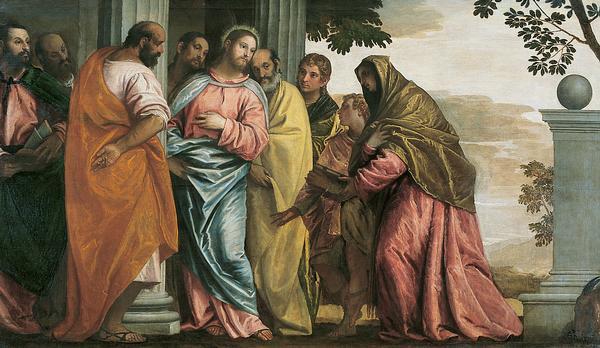
Mother of James and John: Greatness


Matthew 20:20-28

I thought you had come to bring success,
health, wealth and all the rest.
I thought you had come to fulfill all our dreams,
restore our nation to greatness,
grant prosperity.
I thought you chose my sons
to lift them into power,
helming your revolution with you,
mighty and glorious in your splendourous reign.
How disappointing
to be turned away.

But here at your cross
I understand.

I sought greatness, fulfillment and glory -
you taught the path of selflessness.
I wanted God to grant me my wishes -
you chose humble obedience.
I wanted power -
you carried the cross.
I wanted to win -
you freely chose loss.
I was serving myself,
while you served God
and served us all
through your self-denying love.

Here at your cross
I understand
that the first will be last
and the last will be first;
that greatest is she
who makes herself small -
for the Lord of all Lords
became servant to all.

Here at your cross
I understand,
as God is revealed
in godforsakenness,
as a weapon of torture
becomes your throne,
as your shame becomes your glory -
I understand.

___________________________________________________

[24. August 2016, between Kaohsiung and Hong Kong]

Mrs Zebedee had high hopes for her sons. The other Gospels have James and John ask Jesus themselves; only in Matthew does their mother ask him for them (I picture her as an ambitious Tiger Mother): Might James and John not become Jesus' "second in command", top ministers in his Kingdom, at his right and left?

Jesus said no - they did not understand what they were asking for (v. 22). The places at his right and left were already decided on (v. 23 - said to be the criminals crucified with Jesus). The greatest in God's Kingdom is not the one who has power over others, but the one who serves (v. 25-28).

Mrs Zebedee is thinking in very human terms, our own human ideas of what greatness is, what prayer / asking things from God means, etc. She has human expectations. Jesus revolutionises that kind of thinking. It's what Paul describes in 1. Cor 2-3 as the wisdom of God and "spiritual" thinking replacing our "fleshly" way of thinking. That is a process (growth and discipleship), as the Holy Spirit works in us.

It is very easy to stay stuck in Mrs Zebedee's way of thinking, though... to remain in some way self-obsessed (maybe even unconsciously, maybe even supported by bad theology e.g. the "prosperity gospel"), wanting only blessing and success from God, expecting him to give us a comfortable life, when really he calls us to emulate his Son in self-denial, service and love to the others (especially those hard to love).

I believe we need to look at the cross of Jesus... Some traditions (comparing the different Gospels) equate Mrs Zebedee with Salome, one of the women who stood by the cross as Jesus died. Maybe she did not really have her "aha moment" there, but I believe a good look at the cross can give us one! I especially like John's representation of the crucifixion as Jesus' "enthronement", his moment of highest glory. Jesus' glory was where by our human thinking we would have seen total shame. God subversively turns around our thinking and our understanding of greatness and glory. Glory is not to be found in power, the cross shows us, but in weakness.

So our priorities should not be success and comfort and getting all we want. Our priority should be the good of others (just as it was for Jesus), even at the cost of suffering and failure. Jesus did not call us to become "great" - he called us to be a blessing.


Picture by Paolo Veronese.